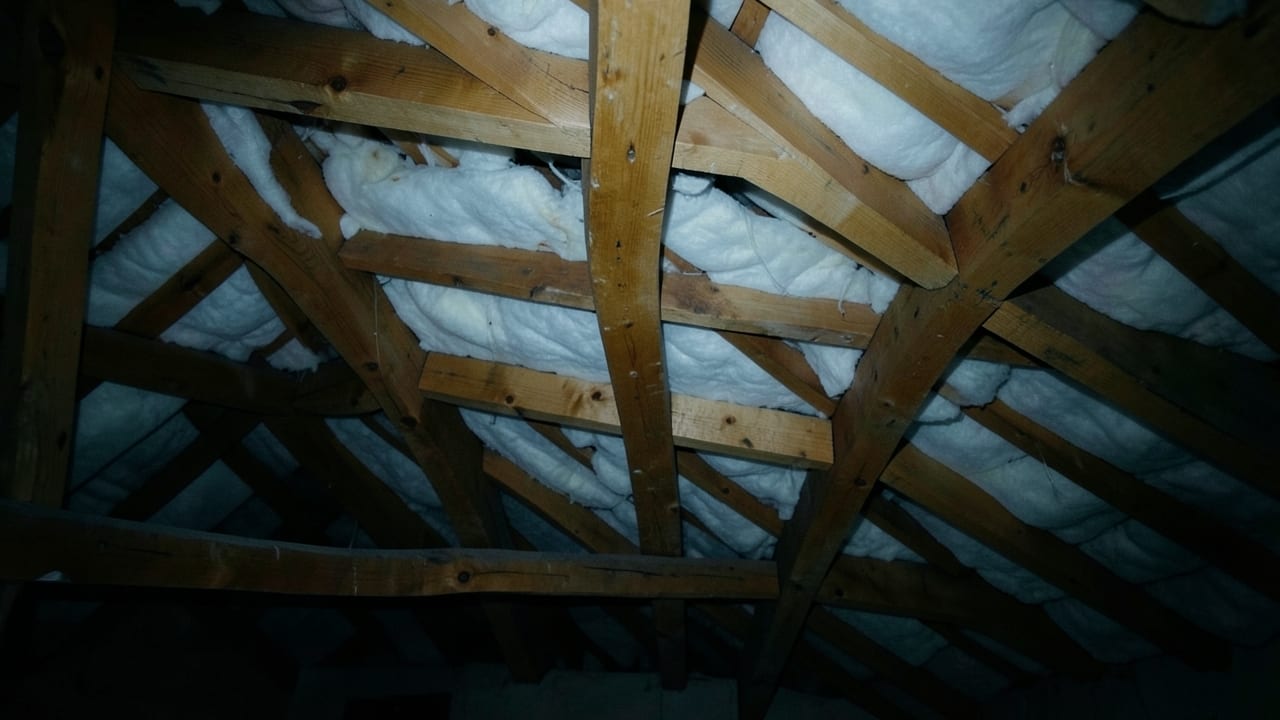
Roof Leak Mold Remediation
Professional removal of mold caused by roof leaks to restore a safe, healthy home environment.
When a roof leak in Rocky Valley, PA, goes unchecked, it can quickly lead to mold growth that spreads through your home’s structure. Roof leak mold remediation addresses the hidden damage by containing affected areas, removing contaminated materials, and fixing moisture sources to prevent regrowth.
This process restores indoor air quality and protects your home’s integrity—without skipping critical steps like containment, HEPA filtration, and clearance testing.
We also handle New Construction Mold Remediation and Gym Mold Remediation for Rocky Valley properties.
When to call for roof leak mold remediation
Mold from a roof leak often hides behind walls, under flooring, or inside ductwork, making it harder to spot than surface growth. If you notice a musty smell that worsens when the HVAC runs, or if mold keeps returning after cleaning, the moisture source—likely your roof—hasn’t been addressed.
Growth covering more than a small patch (around 25 square feet) or spreading across multiple rooms signals a job beyond DIY tools.
Rooms that stay damp, like windowless bathrooms or basements, are prime breeding grounds for hidden mold. A roof leak can feed moisture into framing, subfloors, or insulation long before you see stains on ceilings.
Ignoring these signs lets mold damage structural materials, degrade indoor air quality, and increase health risks for your household.
Signs You Need Professional Roof Leak Mold Remediation
- Mold covers more than a small, isolated patch (around 25 square feet or larger).
- A musty smell persists in a room with no visible mold—especially when the HVAC runs.
- Mold keeps returning to the same spot after cleaning, even with surface treatments.
- You see water stains, sagging ceilings, or warped drywall near the roof or exterior walls.
- Dampness lingers in a room (like a closet or basement) even after fixing obvious leaks.
What affects cost and timeline for your job
The cost of roof leak mold remediation depends on the size of the affected area, the type of materials involved, and whether hidden growth is found during demolition.
Porous materials like drywall and insulation are typically removed and replaced, while non-porous surfaces like tile or metal framing can be cleaned and treated. Industrial drying equipment and HEPA air scrubbers add time and expense but are critical to prevent regrowth.
Clearance testing—an independent air or surface sample taken after remediation—is often priced separately but ensures the job meets safety standards. Skipping this step can leave hidden spores behind, leading to recurring issues.
Pricing also varies based on whether the moisture source (like a damaged roof section or poor ventilation) is fixed during the job or requires a separate repair.
What to watch for in your quote
Not all quotes for roof leak mold remediation cover the same steps, and vague pricing can lead to unexpected costs. A legitimate estimate should specify whether inspection, containment, remediation, and clearance testing are included—or listed as separate line items.
Ask whether the quote includes fixing the moisture source (like patching the roof leak) or if that’s an additional charge.
Red flags include bids that exclude containment or clearance testing, pressure to sign during the inspection, or quotes dramatically lower than others for the same square footage.
Always request a written scope of work before any demolition begins, and confirm whether a third-party lab will verify mold species and clearance after the job.
| Question to Ask | What a Clear Answer Looks Like |
|---|---|
| Does the estimate include inspection, testing, and clearance testing? | Yes, with line items for each step or a total cost. |
| Is the square footage of affected area specified? | Exact measurements (e.g., ‘120 sq. ft. of drywall removed’). |
| Will a third-party lab test for mold species and clearance? | Yes, with lab name and testing method included. |
| Is fixing the moisture source (e.g., roof repair) part of the quote? | Yes, with details on how leaks/grading will be addressed. |
| Is containment (plastic sheeting, negative air) included? | Yes, with duration specified (e.g., ‘3-day containment period’). |
How roof leak mold remediation works
This process follows strict protocols to contain spores, remove contaminated materials, and prevent regrowth.
- 1Containment Setup
Plastic sheeting and negative-air machines seal off the work area to trap spores. Doors and vents are blocked, and HEPA air scrubbers run continuously to prevent spores from spreading to unaffected rooms.
- 2Material Removal and Cleaning
Porous materials (drywall, insulation, carpet padding) that absorb mold are cut out and bagged inside containment. Non-porous surfaces (framing, tile) are scrubbed with antimicrobial treatments and HEPA-vacuumed to avoid recirculating spores.
- 3Structural Drying
Industrial dehumidifiers and air movers dry framing and subfloors to normal moisture levels. This step is critical—mold regrows on damp materials even after visible traces are removed.
- 4Clearance Testing
An independent lab tests air or surfaces for remaining spores. Results confirm the space meets safety standards before containment is removed and the area is considered finished.
- 5Moisture Source Repair
The underlying leak (e.g., damaged roof shingles, poor grading) is addressed to stop future moisture. Without this, mold often returns within months.
Frequently asked questions
My roof leaks when it rains, but I haven’t seen mold yet. Should I still get it checked?
Yes. Mold can grow hidden inside walls or insulation for weeks before becoming visible. A professional inspection during dry weather can identify moisture intrusion early, before it leads to larger remediation needs.
I cleaned the mold myself with vinegar, but it keeps coming back. Why?
Surface cleaners like vinegar don’t address mold growing in porous materials or hidden moisture sources. If the leak or dampness persists, spores will regrow. Professional remediation removes contaminated materials and fixes the root cause.
Will my insurance cover roof leak mold remediation?
Some policies cover mold damage if it’s linked to a sudden event (like a storm-damaged roof), but exclusions vary. Check your policy for ‘water damage’ or ‘mold’ coverage and document the leak’s cause with photos and repair estimates before filing a claim.
How long does the remediation process take?
Containment and removal typically take 2–5 days, with drying adding another 24–72 hours. Clearance testing may require an additional 1–3 days for lab results. The total timeline depends on the affected area’s size and whether hidden mold is found.
See Center Valley, PA for more, or take a look at how our Rocky Valley crew can help side by side for our complete lineup.
Ready to get started?
Talk to a local mold remediation pro in Rocky Valley — get a written quote.
Other Mold Remediation Services in Rocky Valley
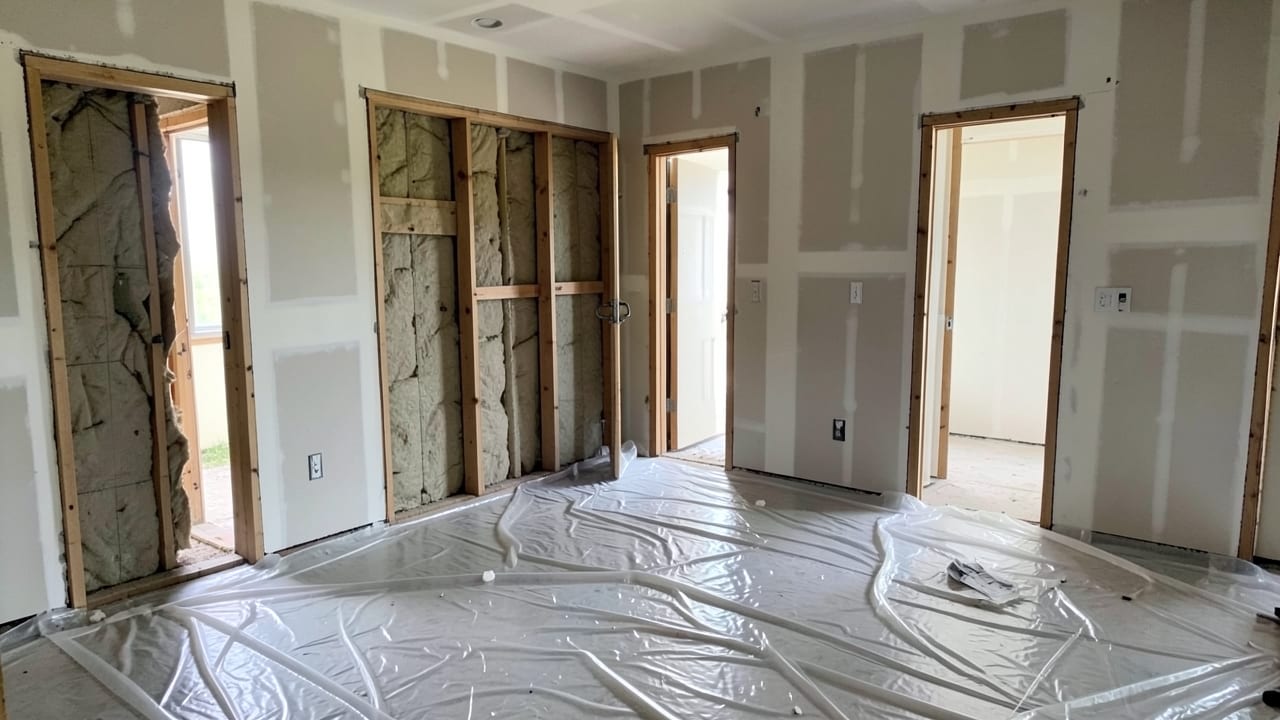
New Construction Mold Remediation in Rocky Valley, PA
Professional mold removal and prevention in newly built homes to ensure safe, clean living spaces.
Learn More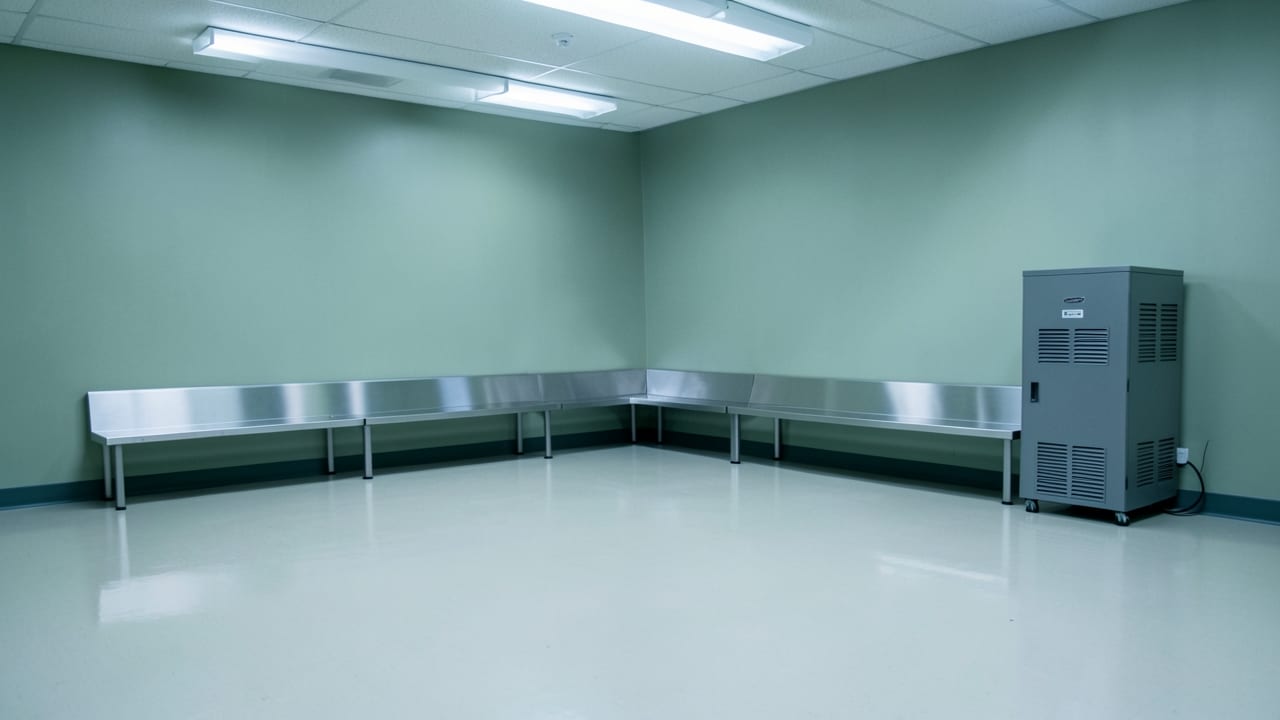
Gym Mold Remediation in Rocky Valley, PA
Professional removal and treatment of mold in gyms to restore safe, clean environments.
Learn More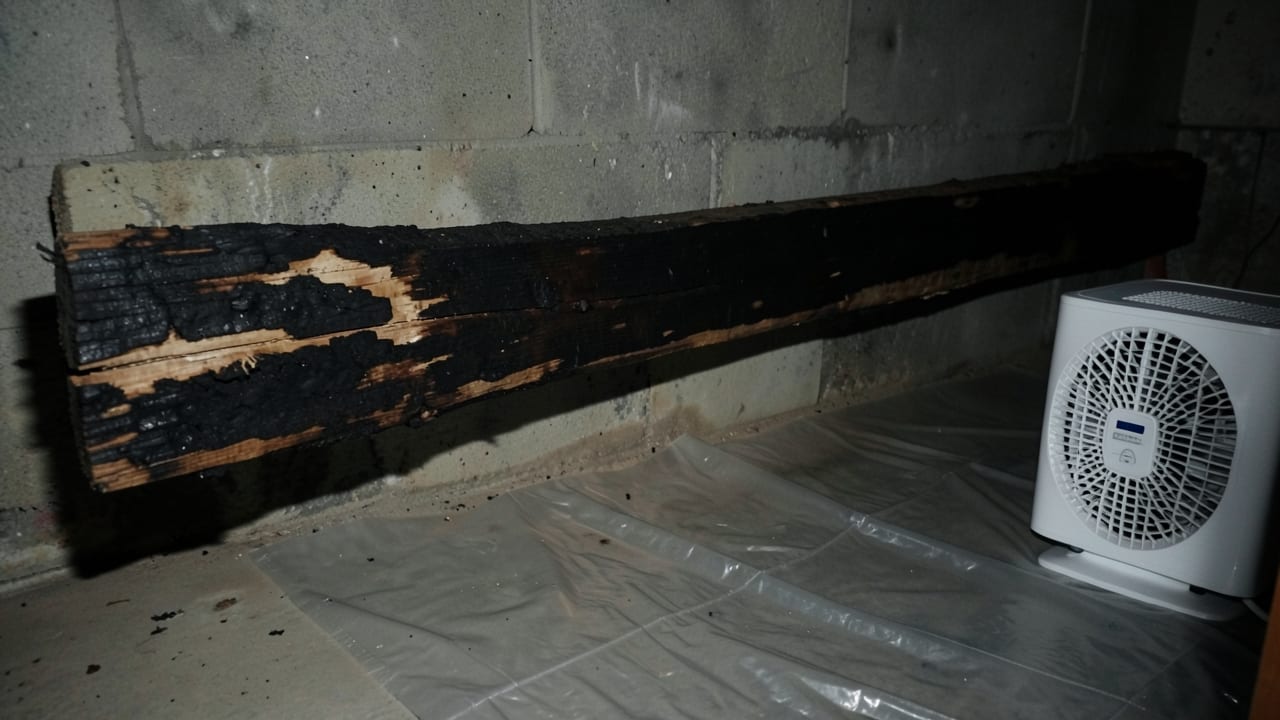
Fire Smoke Mold Remediation in Rocky Valley, PA
Professional cleanup and restoration of fire, smoke, and mold damage in homes.
Learn More
Salt Air Mold Remediation in Rocky Valley, PA
Professional mold assessment, containment, removal, and prevention in affected areas of the home.
Learn More
Pre-Winter Mold Prevention in Rocky Valley, PA
Pre-winter mold prevention involves inspection and treatment to stop mold growth before cold weather.
Learn More
Move-In Mold Assessment in Rocky Valley, PA
Professional inspection and assessment of mold presence before moving into a property.
Learn MoreCommon Questions About Mold Remediation in Rocky Valley
Everything you need to know about mold remediation services in Rocky Valley
How much does Roof Leak Mold Remediation typically cost in Rocky Valley, PA?
Why does Rocky Valley, PA's humidity make mold a bigger risk than in drier regions?
Is it safe to stay in the home during mold remediation?
Can small mold problems be handled without hiring anyone?
What's the actual difference between mold removal and mold remediation?
Is a final clearance test part of a typical mold remediation job?
Need Mold Remediation in Rocky Valley?
Connect with local providers in Rocky Valley for a detailed quote.
⏰ We answer your call • Serving all of Rocky Valley and surrounding areas