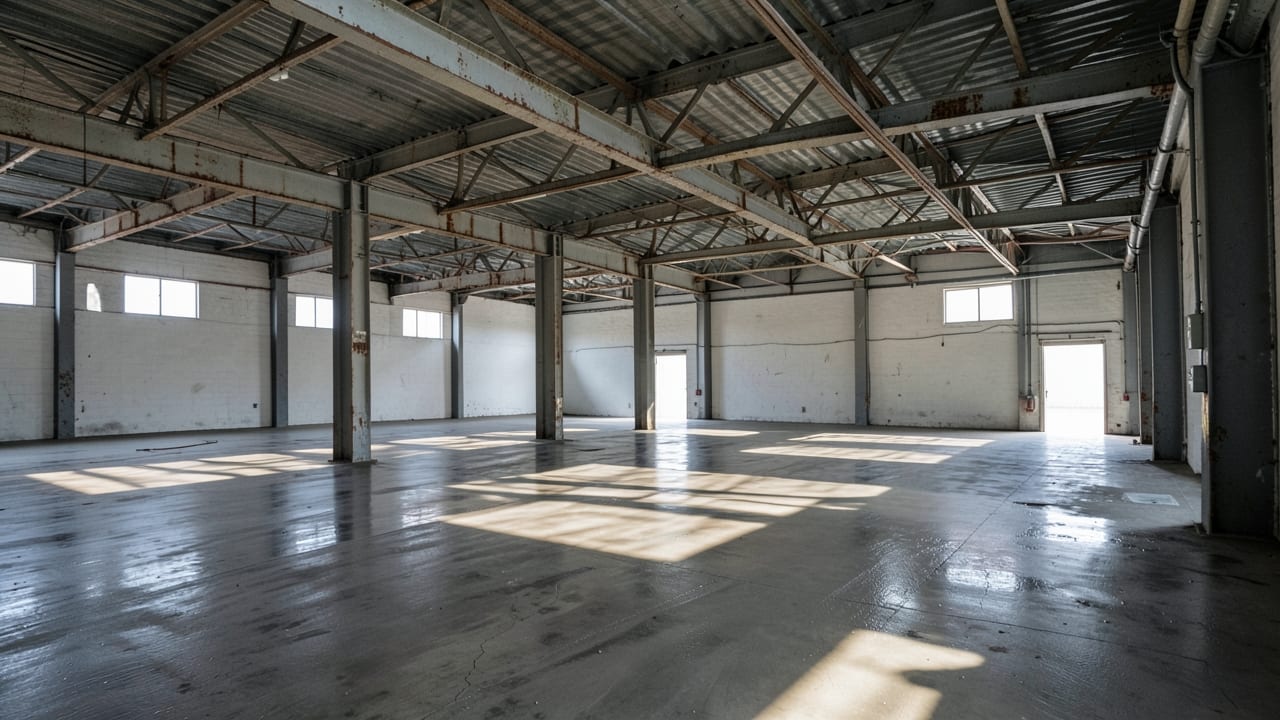
Warehouse Mold Cleanup
Professional removal of mold from warehouse spaces to restore safe, clean conditions.
Mold in Rocky Valley homes often hides in damp corners, behind walls, or under flooring, where it can spread quickly if not addressed. Warehouse mold cleanup services focus on thorough remediation—removing visible mold, fixing moisture sources, and ensuring the problem doesn’t return.
Proper containment, HEPA filtration, and clearance testing help prevent cross-contamination and recurrence, but the work must be done carefully to avoid spreading spores or leaving hidden growth behind.
We also handle Vinyl Flooring Mold Treatment and Glass Window Mold Removal for Rocky Valley properties.
When mold cleanup is needed
Mold growth in homes often starts small but can become a larger issue if ignored.
Signs that professional remediation may be required include mold covering more than a small patch (typically over 25 square feet), recurring growth in the same spot after cleaning, or a musty odor with no visible source.
These indicate deeper moisture problems or hidden growth that may require professional tools and techniques to resolve.
Hidden mold—such as behind walls, under flooring, or inside HVAC ducts—can spread spores throughout the home. If mold keeps reappearing or the smell worsens when the heating or cooling system runs, it’s likely growing in areas that aren’t easily accessible.
Addressing the moisture source and ensuring proper ventilation are critical to preventing future outbreaks.
Signs You May Need Mold Remediation
- Mold covers more than a small, isolated patch (typically over 25 square feet).
- Growth keeps returning in the same spot after cleaning.
- A musty smell exists with no visible mold in the room.
- The odor gets stronger when the HVAC system is running (possible duct contamination).
- Visible mold appears in multiple rooms or areas of the home.
What affects cleanup costs and timing
Mold remediation costs depend on the size of the affected area, the type of materials involved, and whether hidden growth or moisture sources need to be addressed. Unlike flat-rate pricing, most projects are priced per square foot after an inspection, with commercial-grade containment and testing adding to the total.
The process also depends on whether the home can remain occupied during the work or if after-hours scheduling is required.
Additional factors include the need for structural drying, clearance testing, and whether moisture issues—such as leaks, poor ventilation, or high humidity—must be resolved. Skipping these steps can lead to regrowth, but addressing them upfront helps the finish last longer.
How warehouse mold cleanup works
Professional mold remediation follows a structured process to safely remove growth and prevent recurrence.
- 1Containment Setup
Plastic sheeting and negative-air machines seal off the affected area to prevent spores from spreading to other parts of the home. This step is critical before any materials are disturbed.
- 2Removal of Affected Materials
Porous materials like drywall, insulation, and carpet padding that absorb mold are cut out and disposed of in sealed bags. Non-porous surfaces, such as tile and metal, are cleaned and treated instead of discarded.
- 3HEPA Filtration and Cleanup
HEPA air scrubbers run continuously during the process, and surfaces are vacuumed with HEPA-filtered equipment to capture spores rather than recirculating them into the air.
- 4Structural Drying
Industrial dehumidifiers and air movers dry out framing and subflooring to normal moisture levels, as mold can regrow on damp surfaces even after visible traces are removed.
- 5Clearance Testing
An independent third-party test confirms spore levels are back to normal before containment is removed. This step ensures the remediation was effective.
Frequently asked questions
What are the first signs that mold in my home needs professional cleanup?
Visible mold covering more than a small patch, recurring growth after cleaning, or a musty smell with no obvious source are all signs that professional remediation may be needed. Hidden mold—such as behind walls or in HVAC ducts—often requires specialized tools and techniques to address properly.
Can mold come back if it’s only cleaned but not removed?
Yes, mold can return if the underlying moisture source isn’t fixed. Cleaning alone removes visible growth, but without addressing leaks, condensation, or poor ventilation, the same materials remain vulnerable to regrowth.
How do I know if my home’s mold problem is serious enough for professional help?
If mold covers more than 25 square feet, keeps coming back after cleaning, or you notice a musty smell with no visible source, it’s likely time for professional remediation. These signs often indicate deeper moisture issues or hidden growth.
What should I do to prevent mold from returning after cleanup?
Fix any leaks or moisture sources, improve ventilation in damp areas, and monitor humidity levels. Using dehumidifiers in persistently damp rooms—like basements or closets—and ensuring proper airflow can help prevent future outbreaks.
See Dorneyville, PA for more, or find out about every option available in Rocky Valley at a glance for our complete lineup.
Ready to get started?
Talk to a local mold remediation pro in Rocky Valley — get a written quote.
Other Mold Remediation Services in Rocky Valley
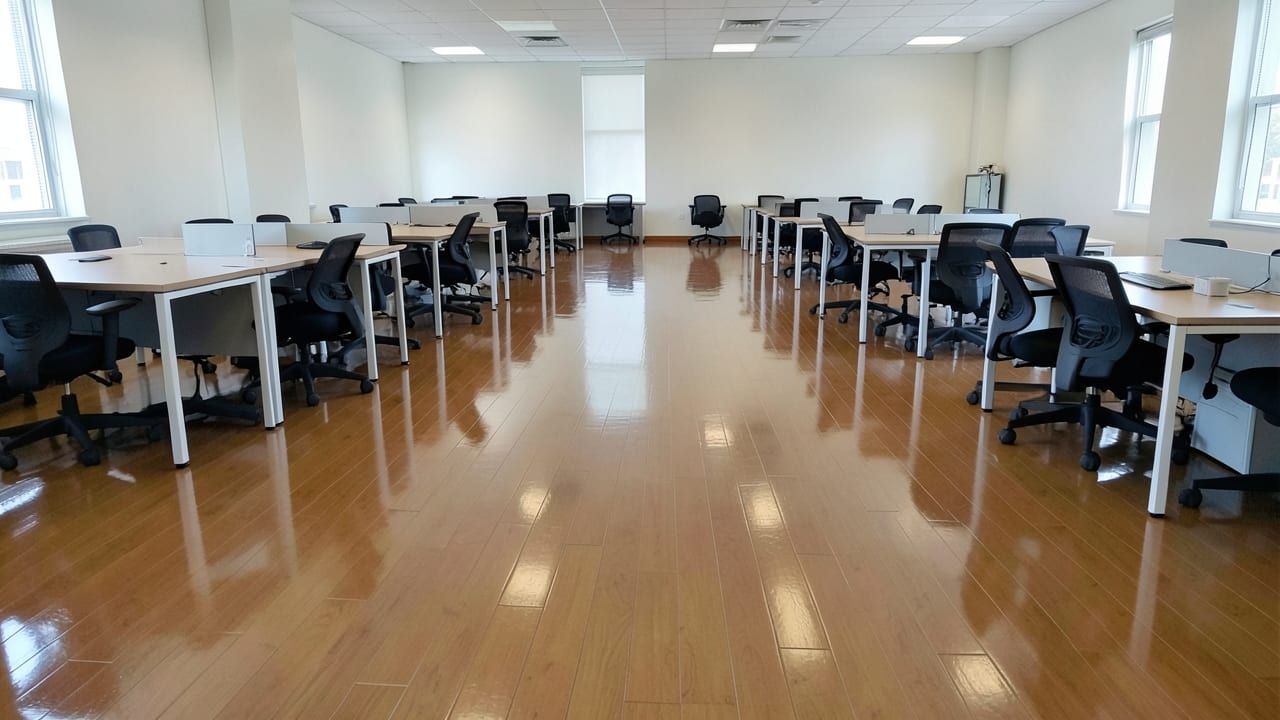
Vinyl Flooring Mold Treatment in Rocky Valley, PA
Professional mold treatment and removal for vinyl flooring in homes.
Learn More
Glass Window Mold Removal in Rocky Valley, PA
Professional removal of mold from glass windows and frames to restore clarity and prevent spread.
Learn More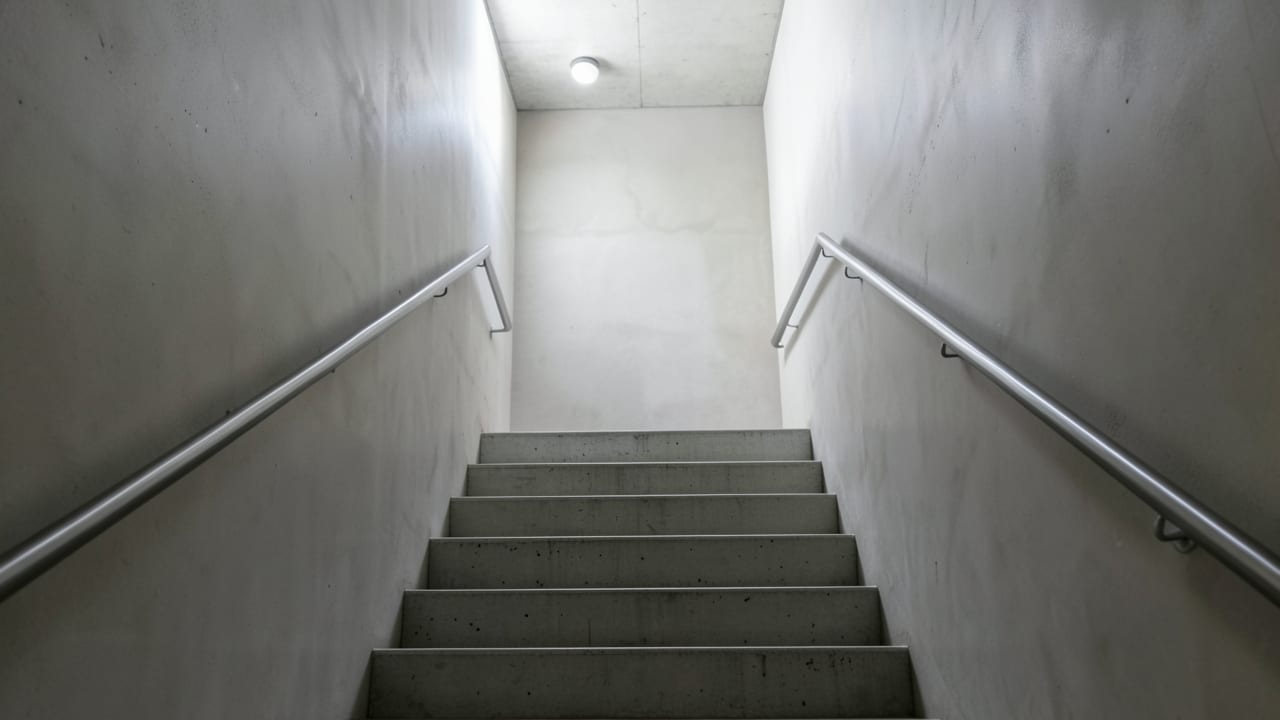
Stairwell Mold Remediation in Rocky Valley, PA
Professional mold removal and prevention in stairwells to restore safe, clean spaces.
Learn More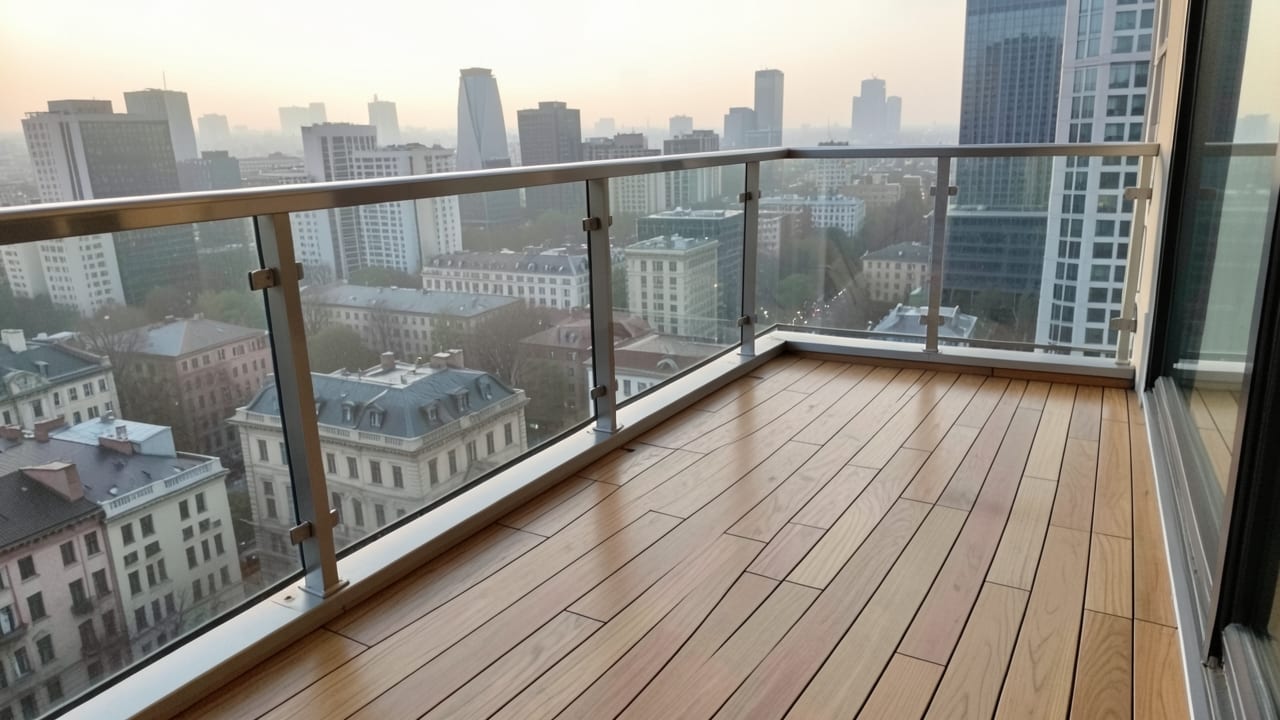
Balcony Mold Cleanup in Rocky Valley, PA
Professional removal and treatment of mold growth on balconies and adjacent structures.
Learn More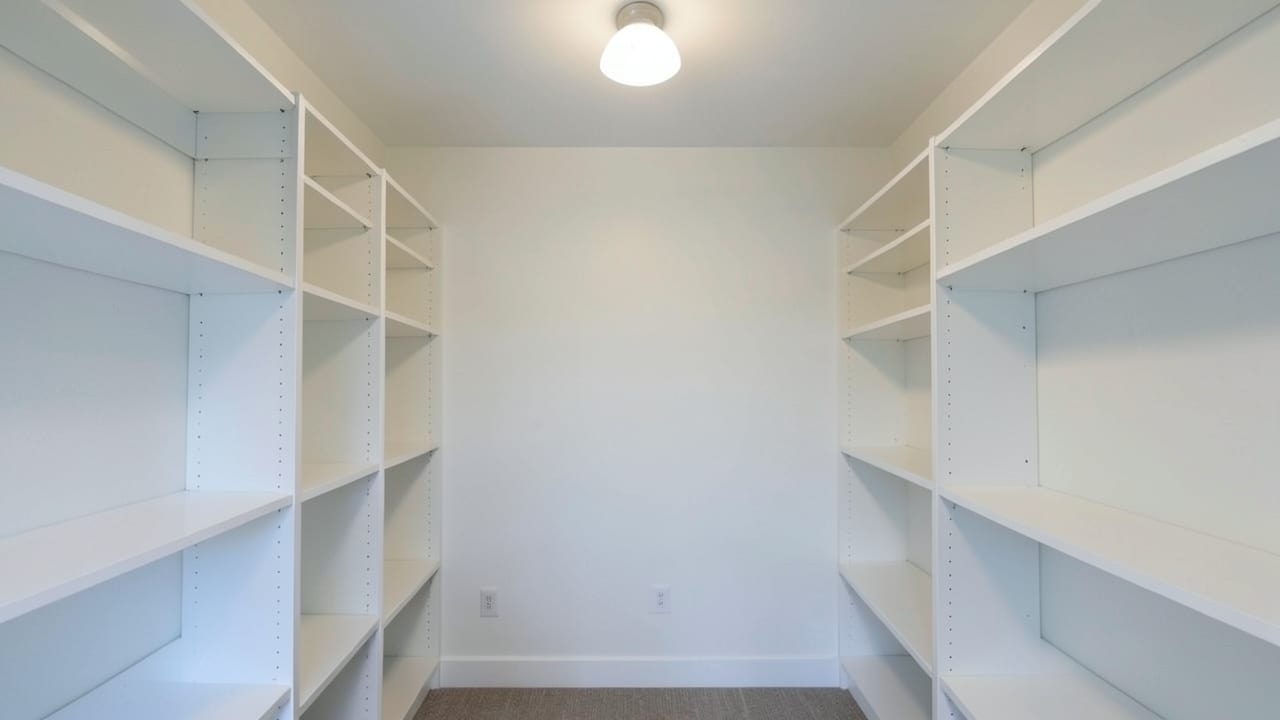
Closet Mold Cleanup in Rocky Valley, PA
Professional cleanup and removal of mold from closets to restore safe, healthy spaces.
Learn More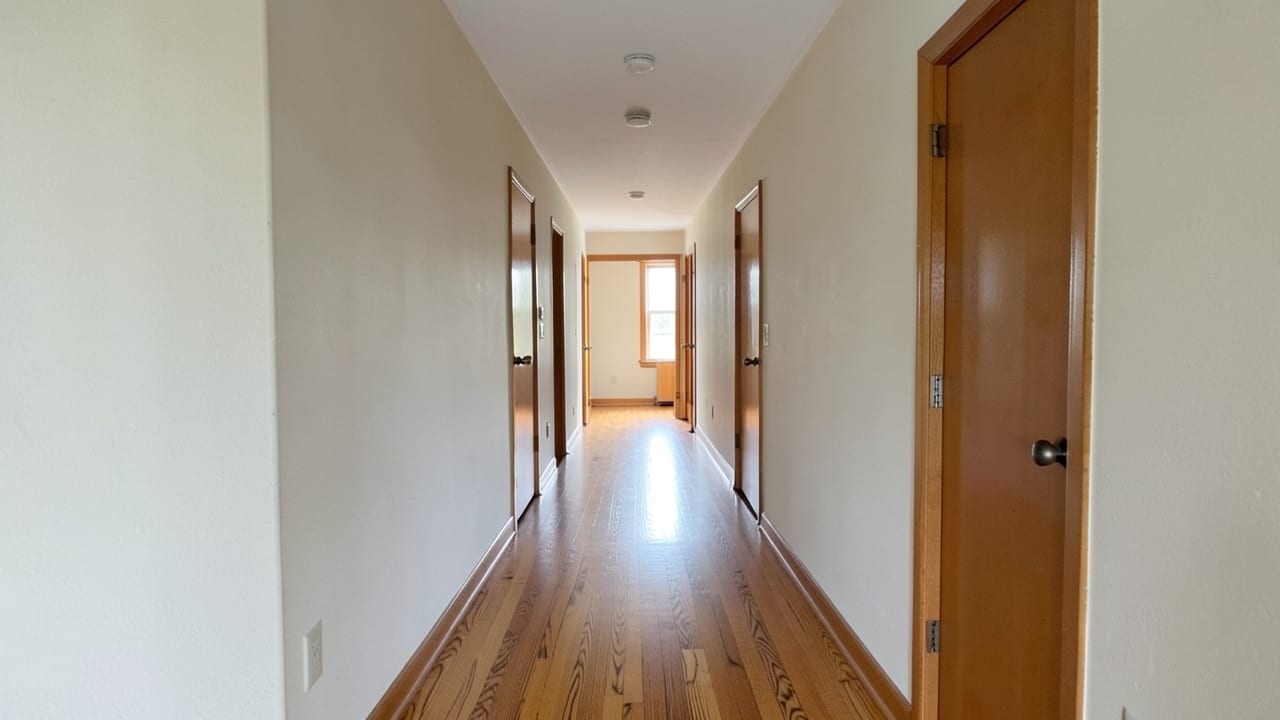
Hallway Mold Remediation in Rocky Valley, PA
Professional removal and treatment of mold growth in residential hallways.
Learn MoreCommon Questions About Mold Remediation in Rocky Valley
Everything you need to know about mold remediation services in Rocky Valley
How much does Warehouse Mold Cleanup typically cost in Rocky Valley, PA?
Why does Rocky Valley, PA's humidity make mold a bigger risk than in drier regions?
What's the actual difference between mold removal and mold remediation?
Is a final clearance test part of a typical mold remediation job?
How does mold remediation actually prevent the problem from coming back?
Can mold growing inside HVAC ductwork spread to the rest of a home?
Need Mold Remediation in Rocky Valley?
Connect with local providers in Rocky Valley for a detailed quote.
⏰ We answer your call • Serving all of Rocky Valley and surrounding areas