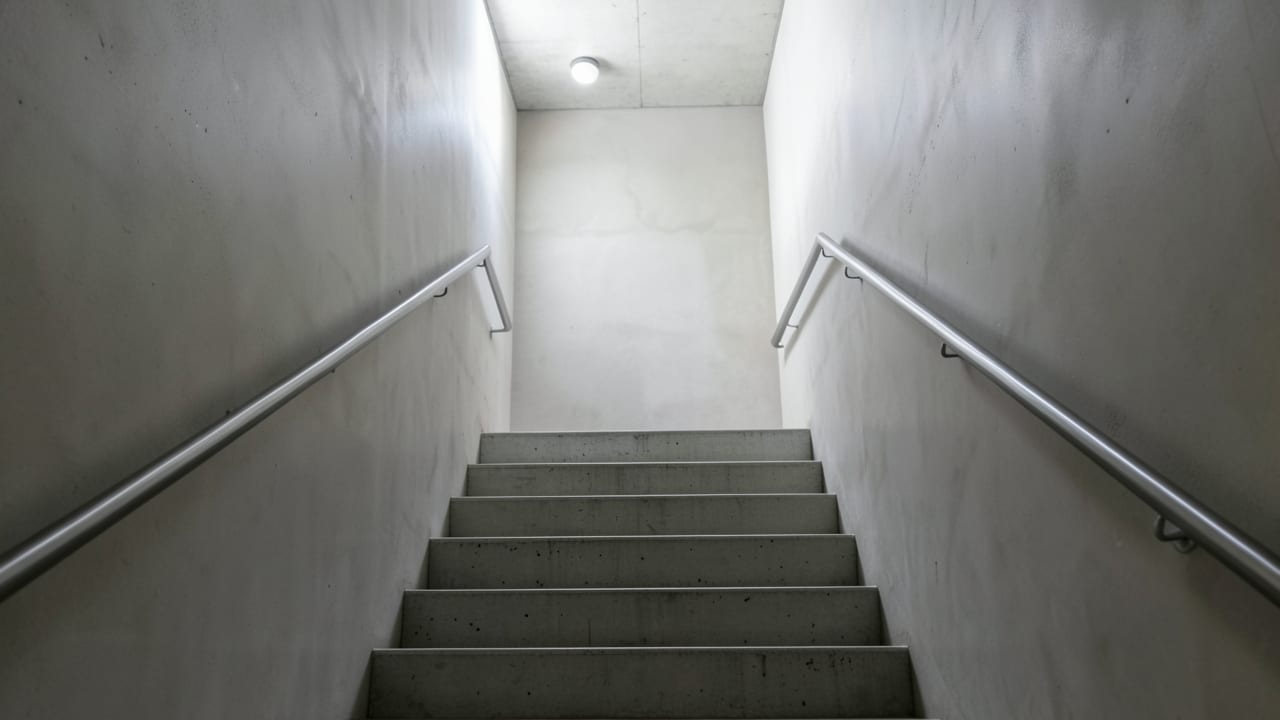
Stairwell Mold Remediation
Professional mold removal and prevention in stairwells to restore safe, clean spaces.
Stairwell mold in Rocky Valley homes can spread quickly if left untreated, damaging wood, drywall, and air quality. Professional remediation safely removes contaminated materials, seals the area to prevent spore spread, and addresses moisture sources to help prevent recurrence.
This process is essential for maintaining a healthy home environment, especially in staircases where hidden growth often goes unnoticed until it becomes widespread.
We also handle Commercial Mold Remediation and Mold Prevention & Moisture Control for Rocky Valley properties.
When stairwell mold needs professional help
Mold in stairwells often starts small but can escalate if ignored. Visible growth covering more than a few square feet, recurring mold after cleaning, or a persistent musty smell—especially when the HVAC runs—are clear signs that professional remediation is needed.
These indicators suggest hidden moisture or extensive contamination that DIY methods can’t fully address.
Staircases connect multiple levels of a home, so spores can spread through air vents or settled dust. Containment during removal is critical to prevent cross-contamination. Without it, spores can drift into bedrooms, hallways, or basements, turning a localized job into a much larger—and costlier—project.
Signs Your Stairwell Mold Needs Professional Remediation
- Mold covers more than a small, isolated patch (typically over 25 contiguous square feet).
- The same spot keeps growing back after cleaning, suggesting an unresolved moisture issue.
- A musty smell persists even when no visible mold is present, often indicating hidden growth.
- The HVAC system seems to worsen the odor, hinting at spores spreading through ductwork.
- You notice health symptoms (sneezing, coughing, or irritation) that improve when away from the home.
What affects cost and timeline?
The scope of stairwell mold remediation varies based on the extent of contamination, materials affected, and whether hidden moisture sources exist. Pricing reflects labor, containment setup, HEPA filtration, structural drying, and clearance testing—steps that ensure spores don’t linger or spread.
A single affected stairwell typically falls within a broader market range, but exact costs depend on square footage, material removal, and whether black mold is confirmed.
Timelines also depend on containment setup, drying requirements, and clearance testing. A straightforward job may take 1–3 days, while extensive damage or hidden moisture could extend the process. Independent testing after remediation is standard practice to confirm spore levels are back to normal before the area is released.
Common mistakes to avoid
Skipping containment or using non-HEPA equipment during removal can turn a contained job into a widespread contamination issue. Spores stirred up without proper filtration recirculate into living spaces, defeating the purpose of remediation.
Similarly, addressing only the visible mold without fixing leaks, condensation, or grading problems ensures the same materials will recontaminate quickly.
Another pitfall is relying on verbal estimates without a written scope of work. Vague pricing or pressure to sign during an inspection can lead to unexpected costs or incomplete work. Always verify whether containment, clearance testing, and moisture-source repairs are included—and ask for third-party lab confirmation of clearance.
Avoid estimates that exclude containment, clearance testing, or moisture-source repairs. Watch for bids dramatically lower than others for the same square footage, upfront full payment requests, or rushed contracts during the inspection visit. These are signs the job may cut corners.
How stairwell mold remediation works
Professional remediation follows a structured process to safely remove mold and prevent recurrence.
- 1Containment Setup
Plastic sheeting and negative-air machines seal the stairwell and connected areas to trap spores during removal. This prevents cross-contamination into hallways, bedrooms, or basements.
- 2Material Removal and Cleaning
Porous materials like drywall or carpet padding—where mold grows deep—are cut out and bagged. Non-porous surfaces like tile or framing are scrubbed and treated to kill remaining spores.
- 3HEPA Filtration and Drying
HEPA air scrubbers run continuously to capture airborne spores, and HEPA vacuums clean surfaces. Industrial dehumidifiers and air movers dry framing and subfloors to prevent regrowth.
- 4Clearance Testing
An independent lab tests air or surfaces post-remediation to confirm spore levels are back to normal before containment is removed. This step verifies the work meets safety standards.
- 5Moisture Source Repair
The root cause—such as leaks, condensation, or poor grading—is addressed to reduce the risk of future mold. Stagnant areas may require improved airflow or dehumidifiers.
Frequently asked questions
How do I know if my stairwell mold is black mold?
Black mold often appears dark greenish-black and has a fuzzy or slimy texture. However, accurate identification requires lab testing, as many molds look similar. Confirming the species helps determine the best remediation approach and whether additional precautions are needed.
Will my insurance cover stairwell mold remediation?
Coverage depends on your policy and whether the mold resulted from a covered event, like a burst pipe. Review your homeowners insurance first, as some policies exclude pre-existing mold or require specific documentation. Document the issue with photos and moisture sources before contacting your insurer.
How long until the stairwell is safe to use after remediation?
Once containment is removed and clearance testing confirms safe spore levels, the area is typically ready for normal use. However, drying and repairs may take an additional day or two. Avoid using the space until testing is complete to prevent recontamination.
Can I paint over moldy drywall after remediation?
No. Painting over mold-covered surfaces traps spores and moisture, allowing regrowth. Remediation requires removing or treating contaminated materials to ensure safety. Always follow up with clearance testing before sealing the area.
See Coopersburg, PA for more, or find out about the full mold remediation lineup we run in Rocky Valley step by step for our complete lineup.
Ready to get started?
Talk to a local mold remediation pro in Rocky Valley — get a written quote.
Other Mold Remediation Services in Rocky Valley
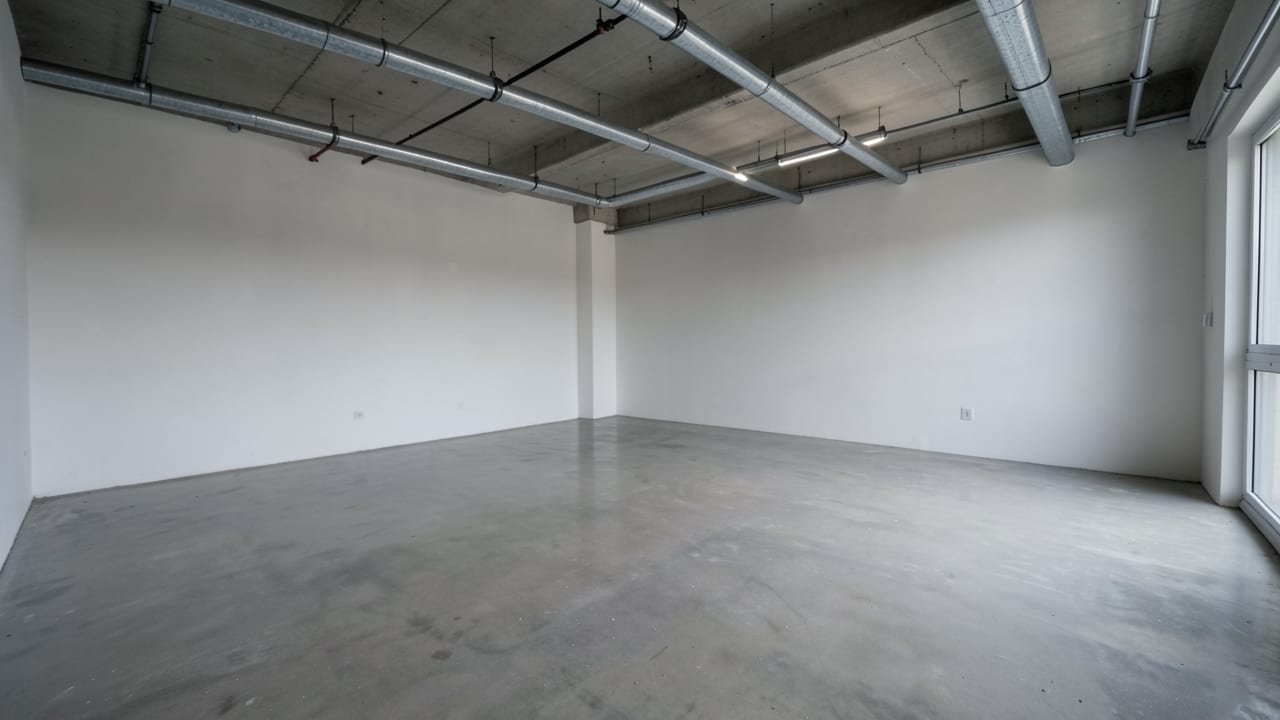
Commercial Mold Remediation in Rocky Valley, PA
Commercial mold inspection and remediation in Rocky Valley, PA for offices, retail space, and multi-unit properties, scheduled around business operations.
Learn More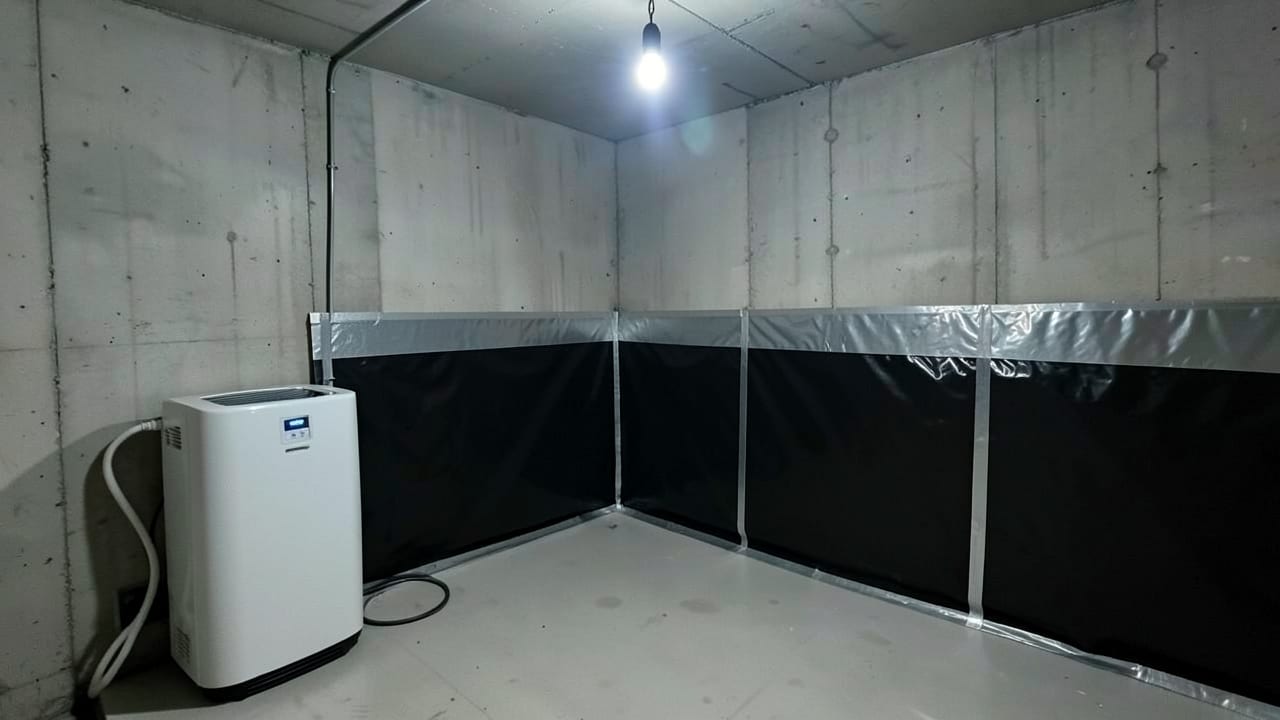
Mold Prevention & Moisture Control in Rocky Valley, PA
Mold prevention and moisture control in Rocky Valley, PA — addressing ventilation, humidity, and drainage before growth starts, not after.
Learn More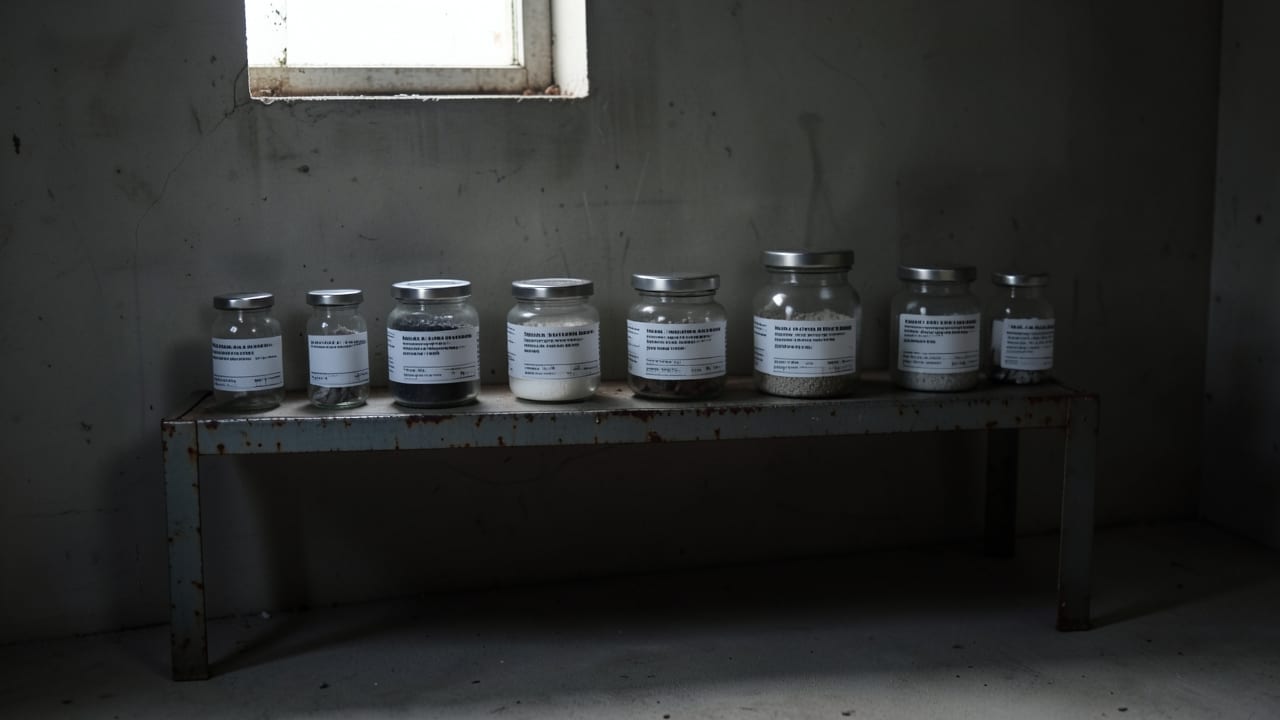
Mold & Asbestos Testing in Rocky Valley, PA
Combined mold and asbestos testing in Rocky Valley, PA — one inspection visit, lab-verified results for both.
Learn More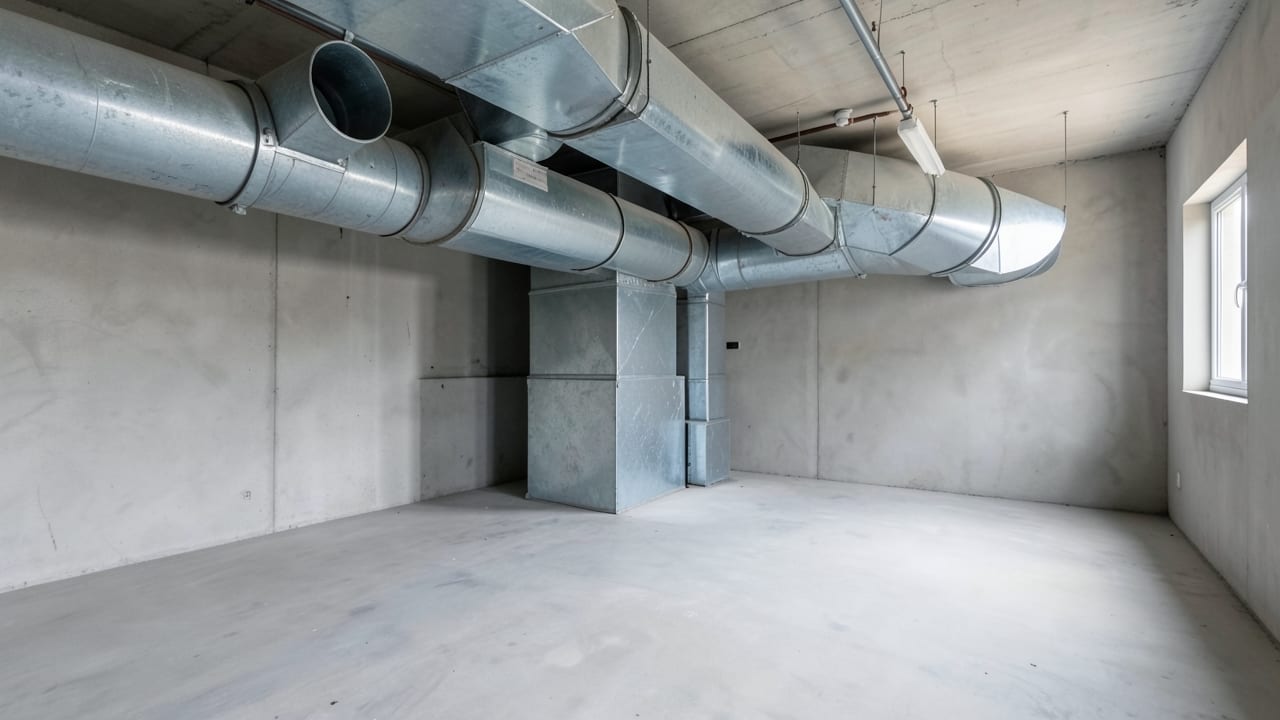
HVAC Mold Remediation in Rocky Valley, PA
HVAC and ductwork mold remediation in Rocky Valley, PA — mold growing inside the air handler or duct system, spreading through every vent.
Learn More
Drywall Mold Remediation in Rocky Valley, PA
Professional removal and treatment of mold growth behind or on drywall surfaces.
Learn More
Kitchen Mold Cleanup in Rocky Valley, PA
Professional assessment and removal of mold in kitchen areas to restore a safe, clean environment.
Learn MoreCommon Questions About Mold Remediation in Rocky Valley
Everything you need to know about mold remediation services in Rocky Valley
How much does Stairwell Mold Remediation typically cost in Rocky Valley, PA?
Why does Rocky Valley, PA's humidity make mold a bigger risk than in drier regions?
Can small mold problems be handled without hiring anyone?
What's the actual difference between mold removal and mold remediation?
Is a final clearance test part of a typical mold remediation job?
How does mold remediation actually prevent the problem from coming back?
Need Mold Remediation in Rocky Valley?
Connect with local providers in Rocky Valley for a detailed quote.
⏰ We answer your call • Serving all of Rocky Valley and surrounding areas