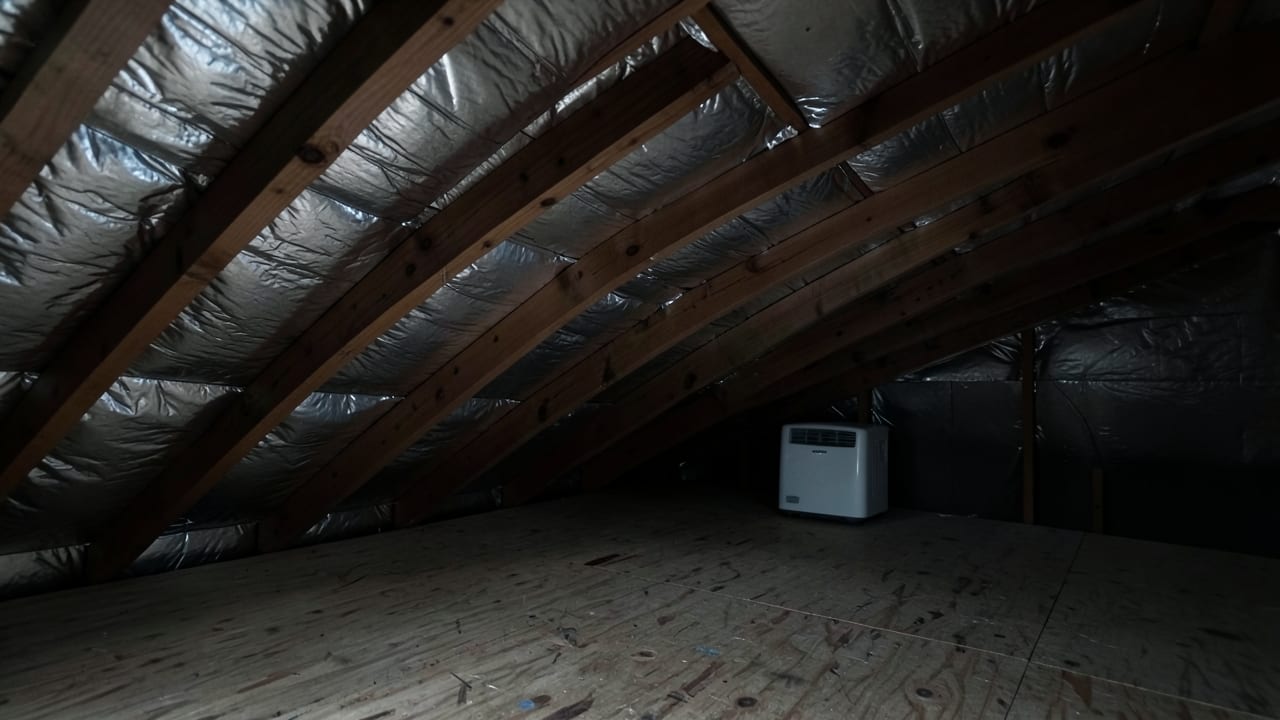
Pre-Winter Mold Prevention
Pre-winter mold prevention involves inspection and treatment to stop mold growth before cold weather.
As temperatures drop in Rocky Valley, PA, the risk of mold growth increases in damp, poorly ventilated areas like attics, basements, and crawl spaces. Pre-winter mold prevention focuses on sealing leaks, improving airflow, and applying protective treatments to vulnerable surfaces before moisture issues escalate into hidden mold problems.
This proactive approach helps homeowners avoid costly remediation later and ensures a healthier indoor environment.
We also handle Closet Mold Cleanup and Hallway Mold Remediation for Rocky Valley properties.
When mold prevention becomes a priority
Mold growth often starts small but can spread quickly when left unchecked. In Rocky Valley’s humid climate, certain signs indicate it’s time to act: mold covering more than a small patch, recurring growth after cleaning, or a persistent musty smell—especially when the HVAC runs.
These are clear signals that the moisture source hasn’t been addressed, and the problem may be hidden behind walls, under flooring, or inside ductwork.
Rooms that stay damp due to poor airflow, like windowless bathrooms or basements, are prime candidates for preventive measures. Even after remediation, these areas often need ongoing solutions like small fans or dehumidifiers to prevent stagnant air from trapping moisture.
Addressing these issues before winter helps protect your home from hidden damage and health concerns.
Signs You Need Pre-Winter Mold Prevention
- Mold covering more than a 3x3 ft. area (a common threshold for professional attention).
- Growth returning in the same spot after cleaning—indicates the moisture source wasn’t fixed.
- A musty smell with no visible mold, especially when HVAC runs (suggests hidden growth).
- Damp areas with poor airflow, like basements or closets, feeling persistently humid.
What affects cost and timing?
The cost of pre-winter mold prevention varies based on the size of the treated area, the type of mold, and whether hidden moisture sources need repair. Black mold typically adds 15-25% to the cost compared to other types.
Containment, clearance testing, and fixing leaks or ventilation issues can also influence the final price. Timing matters too—addressing issues before winter prevents hidden damage and reduces long-term costs.
Avoiding common pitfalls, like skipping containment or clearance testing, ensures the job is done thoroughly. Without these steps, spores can spread to unaffected areas, turning a small job into a larger one. Clearance testing, done by an independent party, confirms the work was effective before the space is closed up.
What to watch for in your quote
Not all quotes for mold prevention are created equal. Some may exclude critical steps like containment or clearance testing, while others bundle services in vague terms. Always ask whether the estimate includes inspection, remediation, and post-work testing—or if those are added later.
A written scope of work protects you from unexpected costs once demolition begins.
Beware of quotes that are significantly lower than others for the same square footage. Cutting corners on containment or testing can lead to hidden mold spreading or recurring issues. Legitimate contractors provide clear details about their process, licensing, and what’s included in the price.
| Red Flag | Why It Matters |
|---|---|
| No written scope of work | Makes it impossible to compare bids or hold the contractor accountable. |
| Pressure to sign during the inspection | A legitimate scope takes time to prepare—rushing skips your chance to compare options. |
| Full payment upfront | Removes leverage if the job isn’t completed as promised. |
| No mention of clearance testing | Without independent verification, you won’t know if the mold was fully addressed. |
How pre-winter mold prevention works
- 1Containment Setup
Plastic sheeting and negative-air machines seal off the work area to prevent spores from spreading during removal. This step is critical to avoid contaminating unaffected parts of your home.
- 2Removal of Contaminated Materials
Porous materials like drywall or insulation that absorb mold are cut out and bagged inside containment. Non-porous surfaces, like framing or tile, are scrubbed and treated instead of discarded.
- 3HEPA Filtration and Drying
HEPA-filtered air scrubbers run continuously to capture spores, and surfaces are vacuumed with HEPA equipment. Industrial dehumidifiers and air movers dry framing and subfloors to prevent regrowth.
- 4Clearance Testing
An independent lab tests air or surfaces to confirm spore counts are back to normal before containment is removed. This step ensures the work was thorough and the area is safe.
- 5Moisture Source Repair
Fixing leaks, improving ventilation, or adjusting grading outside your home prevents the same moisture issues from causing mold again. This step is key to long-term prevention.
Frequently asked questions
How do I know if my mold problem is serious enough to need professional help?
If mold covers more than a small patch, keeps returning after cleaning, or you notice a musty smell with no visible growth, it’s likely time for professional attention. Hidden mold behind walls or in ductwork often requires expert tools and containment to address safely.
Will fixing the mold also stop it from coming back?
Removing mold without fixing the moisture source—like a leak or poor ventilation—often leads to regrowth. Prevention includes sealing leaks, improving airflow, and using treatments to protect vulnerable surfaces, but results depend on addressing the root cause.
Do I need to be home during the mold prevention process?
You typically don’t need to be home, but it’s a good idea to limit access to the treated area until containment is removed and clearance testing confirms it’s safe. The process involves sealing off work zones to prevent spore spread.
How long does pre-winter mold prevention usually take?
The timeline varies based on the size of the area and whether hidden moisture issues need repair. Containment, removal, drying, and testing can take anywhere from a few days to over a week, depending on the scope of the job.
See Allentown, PA for more, or check out the rest of our Rocky Valley lineup step by step for our complete lineup.
Ready to get started?
Talk to a local mold remediation pro in Rocky Valley — get a written quote.
Other Mold Remediation Services in Rocky Valley
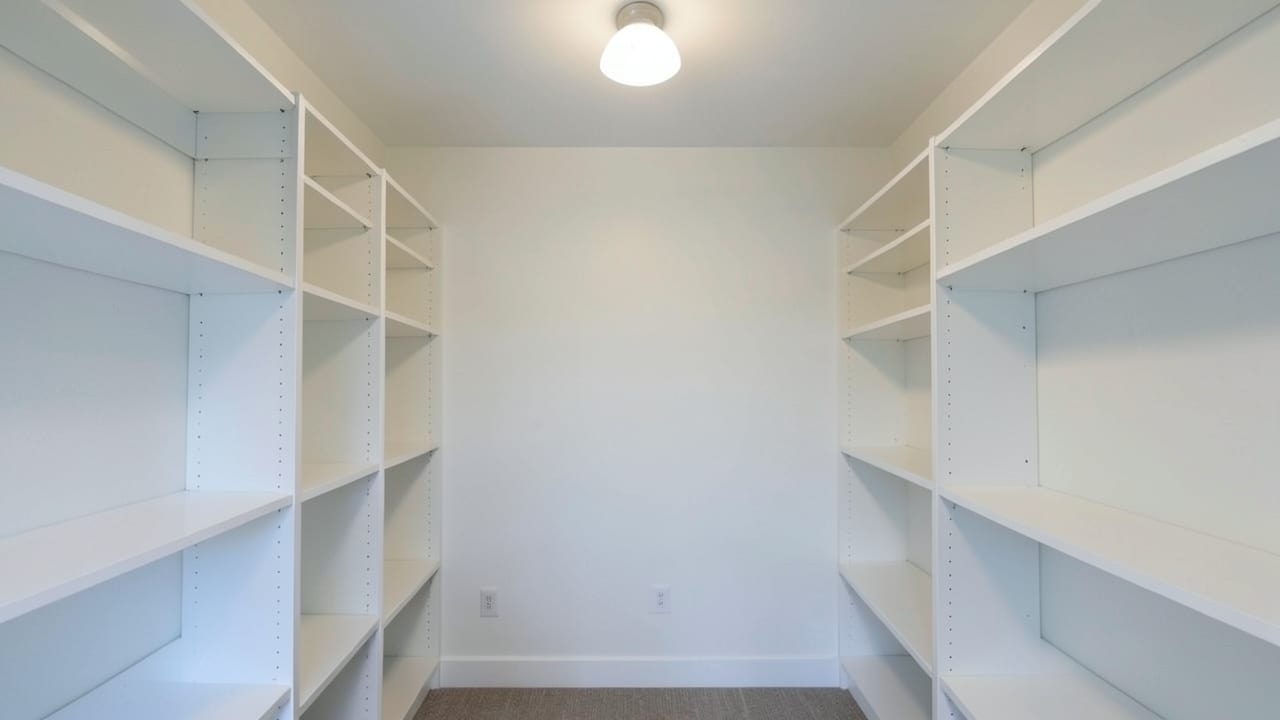
Closet Mold Cleanup in Rocky Valley, PA
Professional cleanup and removal of mold from closets to restore safe, healthy spaces.
Learn More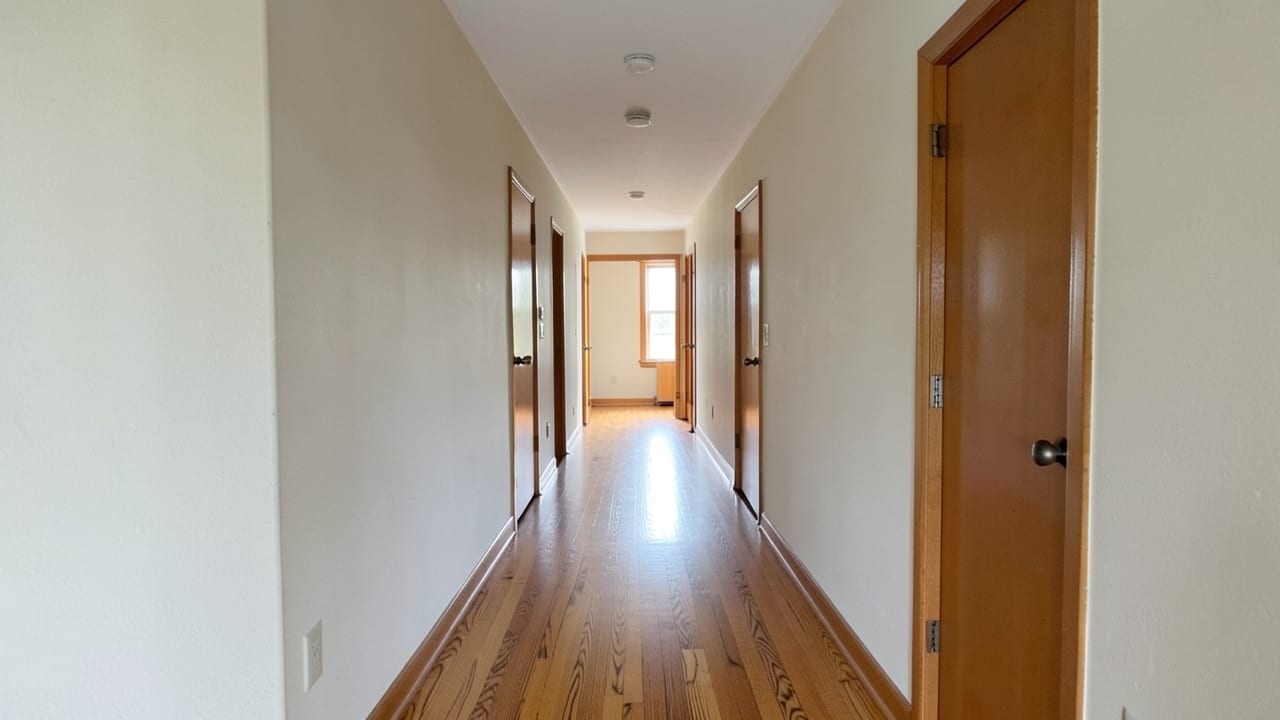
Hallway Mold Remediation in Rocky Valley, PA
Professional removal and treatment of mold growth in residential hallways.
Learn More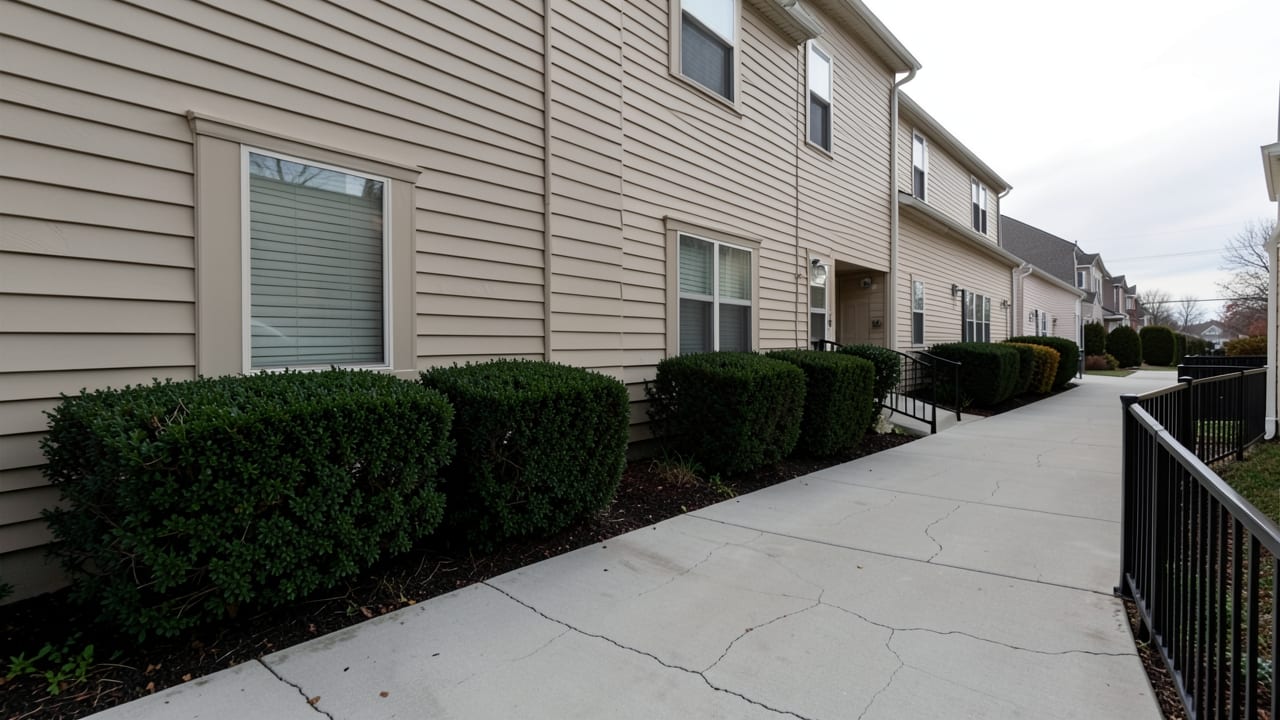
HOA Mold Remediation in Rocky Valley, PA
Professional mold removal and remediation for HOA properties to restore safe, healthy living conditions.
Learn More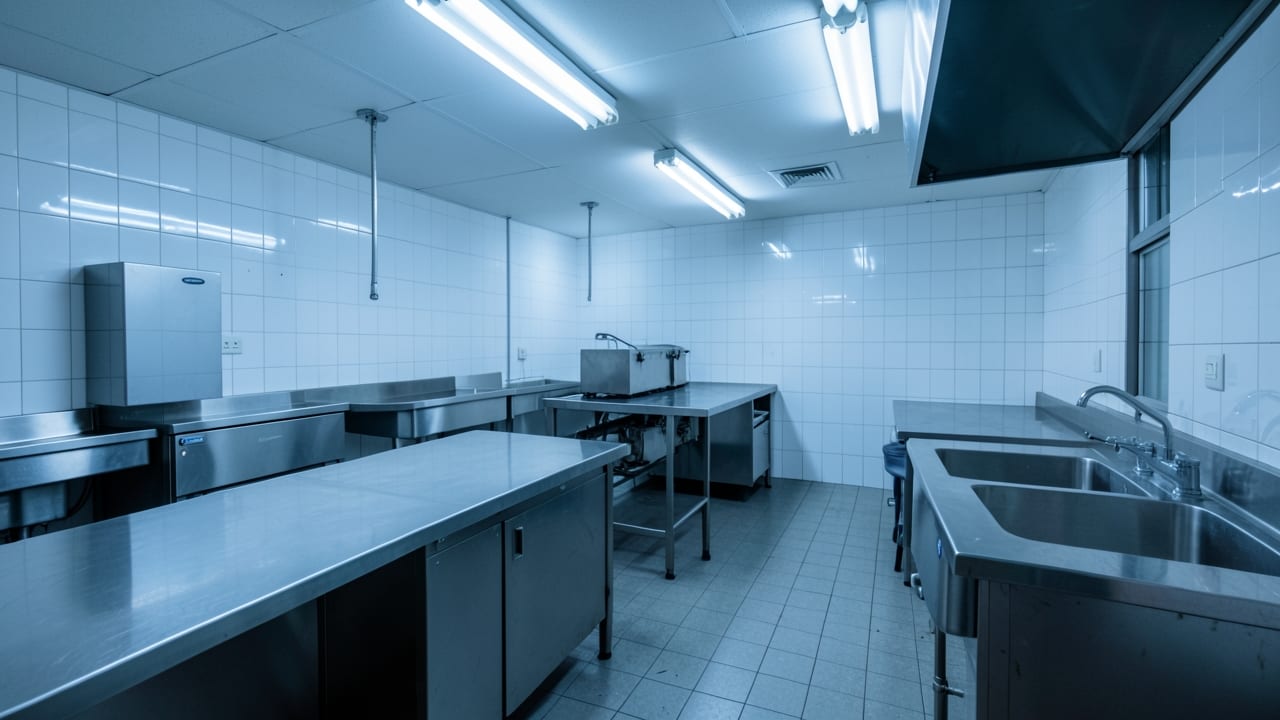
Restaurant Mold Remediation in Rocky Valley, PA
Professional mold removal and remediation for restaurant spaces to ensure safety and compliance.
Learn More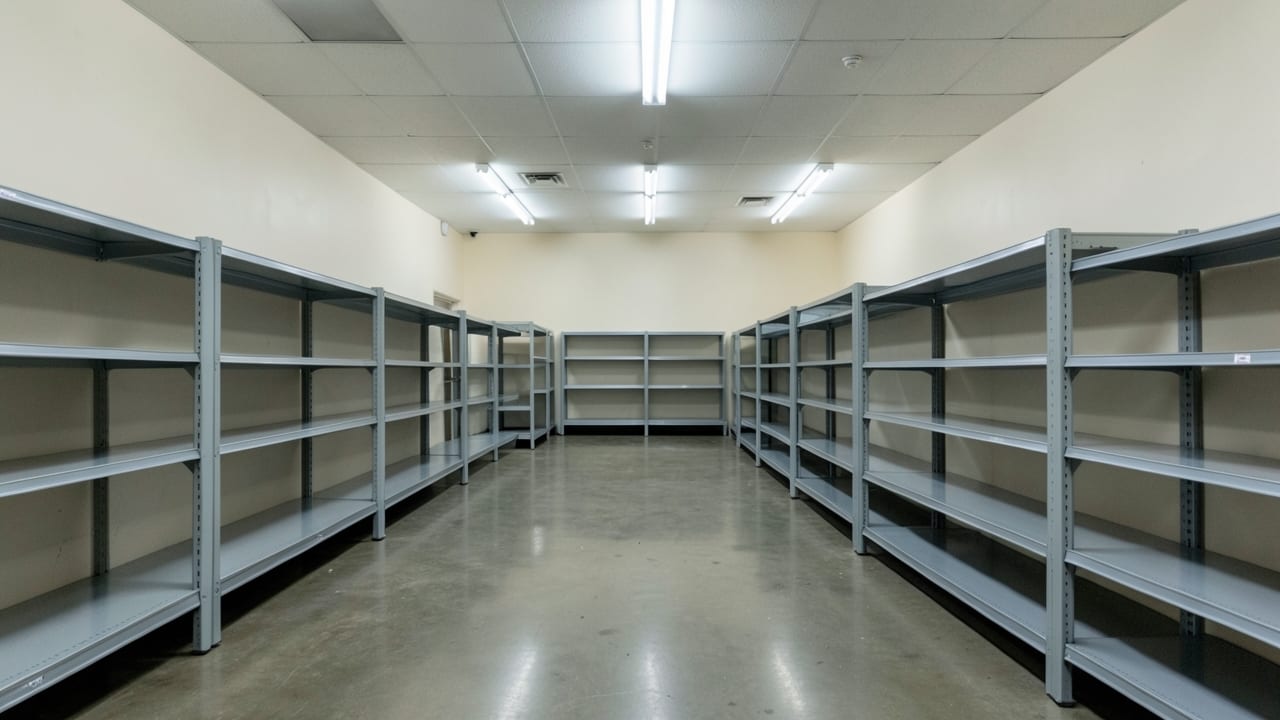
Retail Store Mold Remediation in Rocky Valley, PA
Professional mold removal and remediation for retail stores to restore safe, clean environments.
Learn More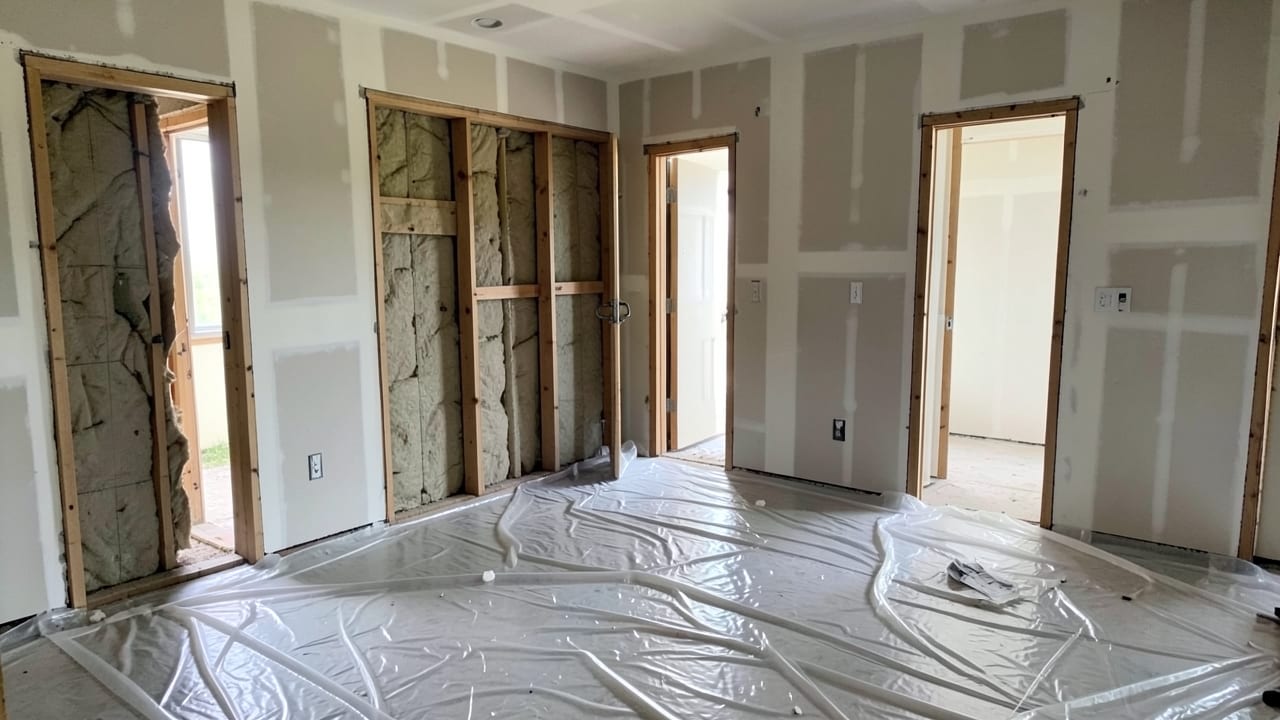
New Construction Mold Remediation in Rocky Valley, PA
Professional mold removal and prevention in newly built homes to ensure safe, clean living spaces.
Learn MoreCommon Questions About Mold Remediation in Rocky Valley
Everything you need to know about mold remediation services in Rocky Valley
How much does Pre-Winter Mold Prevention typically cost in Rocky Valley, PA?
Why does Rocky Valley, PA's humidity make mold a bigger risk than in drier regions?
Does mold mean the same thing as mildew?
Does homeowners insurance typically cover mold remediation?
Is black mold actually more dangerous than other mold types?
How long does a typical mold remediation job take?
Need Mold Remediation in Rocky Valley?
Connect with local providers in Rocky Valley for a detailed quote.
⏰ We answer your call • Serving all of Rocky Valley and surrounding areas