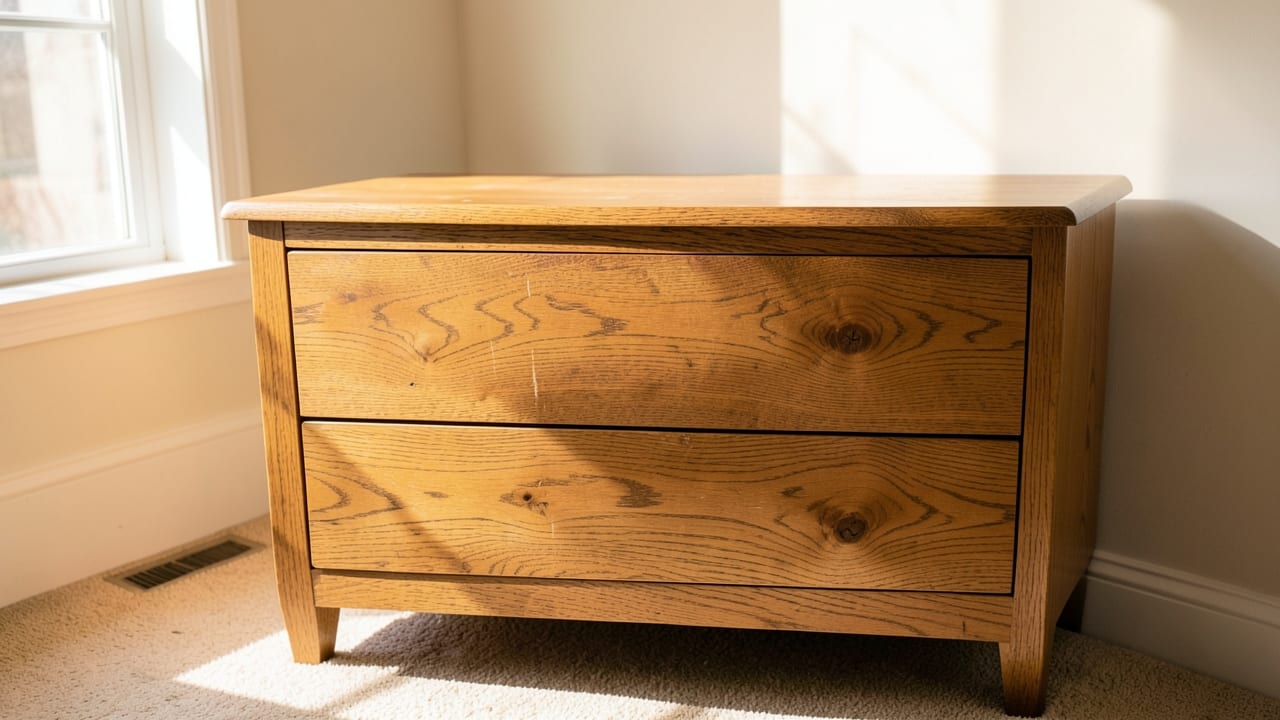
Wood Furniture Mold Remediation
Professional removal and treatment of mold from wood furniture to restore safety and appearance.
Wood furniture mold remediation in Rocky Valley, PA, focuses on safely restoring contaminated pieces by removing embedded spores and treating surfaces to prevent regrowth. Unlike surface cleaning, this process targets deep-seated mold in porous wood, using containment, HEPA filtration, and moisture control to protect your home and belongings.
When mold on wood furniture needs professional help
Mold on wood furniture often starts small but can spread quickly if moisture isn’t addressed. A single patch may be manageable, but signs like persistent regrowth, musty odors, or hidden dampness (like behind drawers or under cushions) mean the problem is likely deeper—and needs professional treatment.
We also handle Balcony Mold Cleanup and Closet Mold Cleanup for Rocky Valley properties.
Wood absorbs moisture differently than drywall, so standard cleaning methods can push spores deeper into the grain, making the issue worse.
In Rocky Valley’s humid climate, wood furniture in basements, bathrooms, or poorly ventilated rooms is especially vulnerable. If you’ve tried cleaning and the mold keeps returning, or if the affected area covers more than a few square inches, professional remediation is the next step.
Ignoring it risks structural damage, respiratory irritation, and long-term restoration costs.
Signs Your Wood Furniture Needs Mold Remediation
- Mold covers more than a small, isolated patch (typically over 10 square inches).
- The mold keeps coming back after cleaning, even after drying the area.
- You notice a musty smell in the room with no visible mold—growth may be hidden inside drawers, cushions, or the wood grain.
- The furniture is in a persistently damp area (e.g., near a leak, poor ventilation, or condensation).
- You or household members experience allergy symptoms (sneezing, itchy eyes, or throat irritation) when near the furniture.
What affects the process and cost
Wood furniture mold remediation isn’t a one-size-fits-all job. The type of wood, how deep the mold has penetrated, and whether the moisture source is fixed all play a role in how the work is done.
For example, solid hardwoods may be refinished after treatment, while veneered or laminated pieces might need full replacement if the mold has compromised the adhesive layers. The process also depends on whether the furniture can be moved safely or if it must be treated in place.
Pricing varies based on the scope: simple surface treatment for a single piece costs less than restoring multiple heirloom items or addressing hidden mold in built-in cabinetry.
Containment, HEPA filtration, and clearance testing are standard steps—but some providers may charge extra for subcontracting specialty work (like refinishing) or for post-remediation humidity monitoring to prevent recurrence.
| Factor | Impact on Process | Impact on Cost |
|---|---|---|
| Type of wood (solid, veneer, laminate) | Solid wood may be refinished; veneers often require replacement if mold is deep. | Veneer/laminate repairs add 30–100% to labor costs. |
| Size/number of pieces | Larger or multiple items require more containment and equipment time. | Per-piece pricing typically applies; bulk discounts may occur for 3+ items. |
| Moisture source status | Unfixed leaks or humidity issues increase risk of regrowth. | Extra charges for moisture-mapping or long-term monitoring may apply. |
| Furniture location | In-place treatment (e.g., built-ins) adds setup time. | Moving furniture may incur labor costs if disassembly is needed. |
| Hidden mold (e.g., inside drawers, cushions) | Requires disassembly or deeper cleaning methods. | Adds 20–50% to the estimate for labor and materials. |
Why containment and testing matter
During remediation, disturbing moldy wood releases spores into the air—unless the work area is properly sealed. Plastic sheeting and negative-air machines create a contained zone where spores stay trapped instead of spreading to other rooms.
Skipping this step turns a small job into a full-house contamination risk. Similarly, clearance testing after the work ensures spore levels return to normal; without it, you won’t know if hidden mold remains.
In Rocky Valley’s older homes, poor ventilation or HVAC systems can circulate spores even after treatment. A professional will check for airflow issues and recommend fixes like dehumidifiers or fans to keep the area dry long-term. This isn’t just about removing mold—it’s about stopping it from coming back.
A torn plastic barrier, an open door, or improper negative-air setup lets spores escape during remediation. Even a 10-minute disruption can spread mold to unaffected areas, turning a contained job into a much larger (and costlier) problem. Always verify the crew seals the work zone *before* starting.
How wood furniture mold remediation works
This process prioritizes containment, deep cleaning, and moisture control to restore furniture safely.
- 1Containment Setup
Plastic sheeting and negative-air machines seal the work area to trap spores. Furniture is either moved into the contained space or treated in place if disassembly isn’t possible.
- 2Deep Cleaning and Treatment
Wood surfaces are scrubbed with antimicrobial solutions to kill spores embedded in the grain. Porous finishes (like varnish) may be stripped if mold has penetrated deeply, while solid wood can often be refinished after drying.
- 3HEPA Filtration and Drying
HEPA vacuums and air scrubbers run continuously to capture airborne spores. Industrial dehumidifiers dry the wood to prevent regrowth, with moisture levels checked until they stabilize.
- 4Clearance Testing
An independent lab tests air and surfaces for remaining spores. Only after spore counts return to normal is the containment removed and the area considered safe.
- 5Moisture Source Fix (Critical Step)
The crew identifies and addresses leaks, condensation, or poor ventilation—without this, mold often returns within months. Humidity monitors may be recommended for high-risk areas.
Frequently asked questions
Can wood furniture be saved if mold has eaten into the wood?
It depends on how deep the damage goes. Surface mold can often be cleaned and refinished, but if the wood is soft or crumbly, the piece may need replacement. A professional will assess whether sanding, sealing, or refinishing can restore it—or if parts (like drawers or legs) need full replacement.
Will my furniture smell musty after treatment, even if the mold is gone?
Lingering odors are common if mold has been present for a while. Enzymatic odor treatments or ozone (used carefully) can help, but deep-set smells may require the furniture to air out for weeks. Proper drying during remediation reduces this risk.
Do I need to throw out my upholstered wood furniture if it has mold?
Not always. If the mold is only on the fabric, the wood frame can often be cleaned and the upholstery replaced. However, if the mold has penetrated the wood or cushions, the entire piece may need disposal to prevent regrowth. A professional will inspect it during the assessment.
How long does it take to remediate wood furniture, and can I use it right after?
Treatment itself takes 1–3 days, but the furniture must dry fully (often 24–48 hours) before use. HEPA vacuums and air scrubbers run continuously during this time to ensure spores are captured. Rushing use can lead to reinfection or odor issues.
See Red Hill, PA for more, or find out about our full crew's Rocky Valley services step by step for our complete lineup.
Ready to get started?
Talk to a local mold remediation pro in Rocky Valley — get a written quote.
Other Mold Remediation Services in Rocky Valley
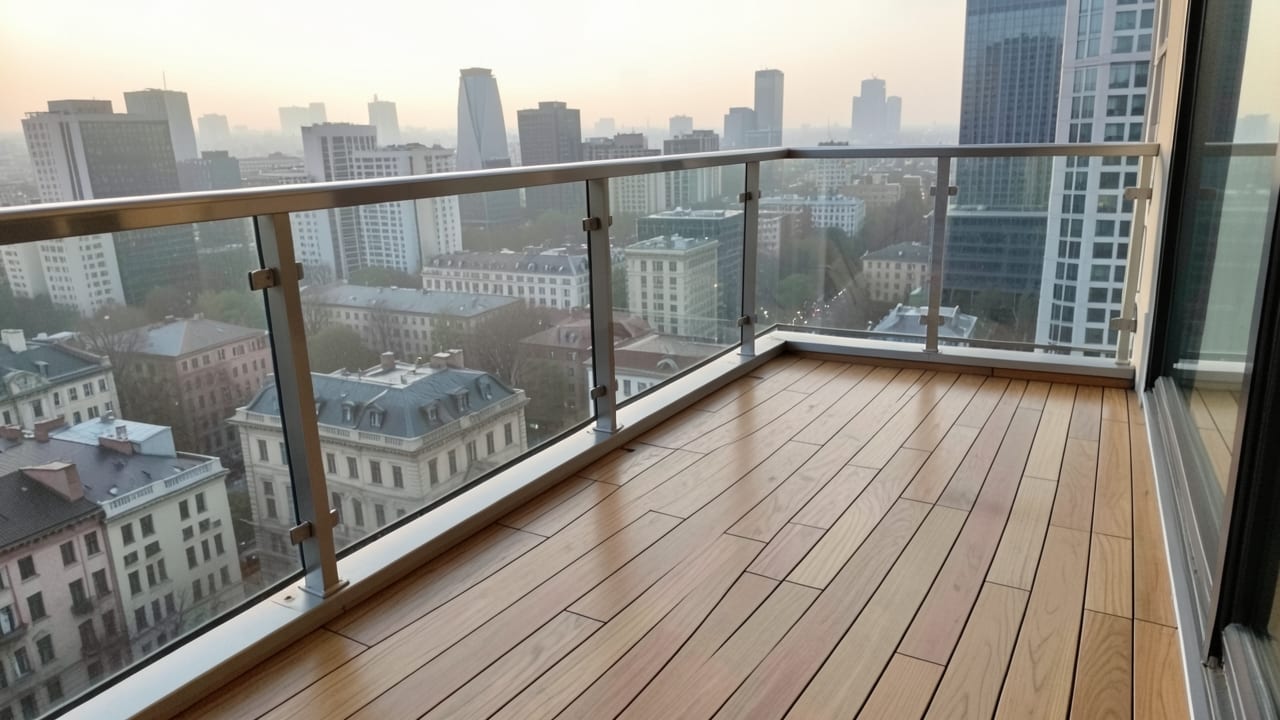
Balcony Mold Cleanup in Rocky Valley, PA
Professional removal and treatment of mold growth on balconies and adjacent structures.
Learn More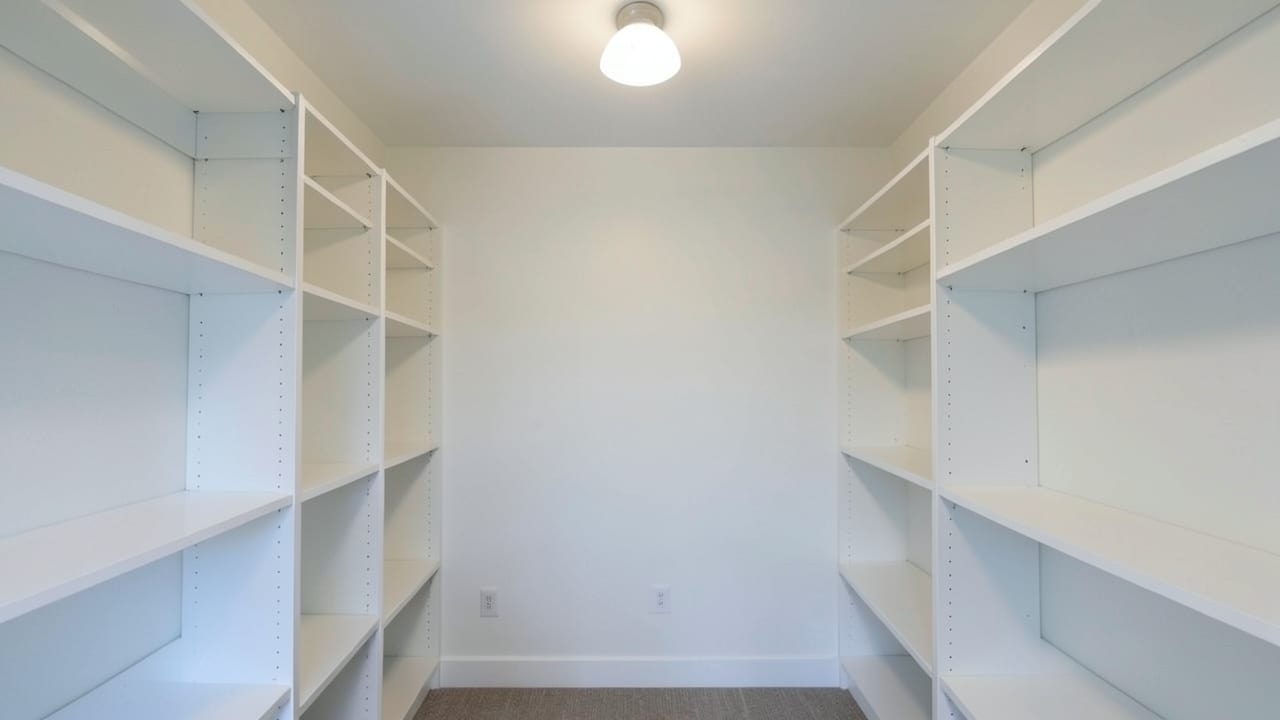
Closet Mold Cleanup in Rocky Valley, PA
Professional cleanup and removal of mold from closets to restore safe, healthy spaces.
Learn More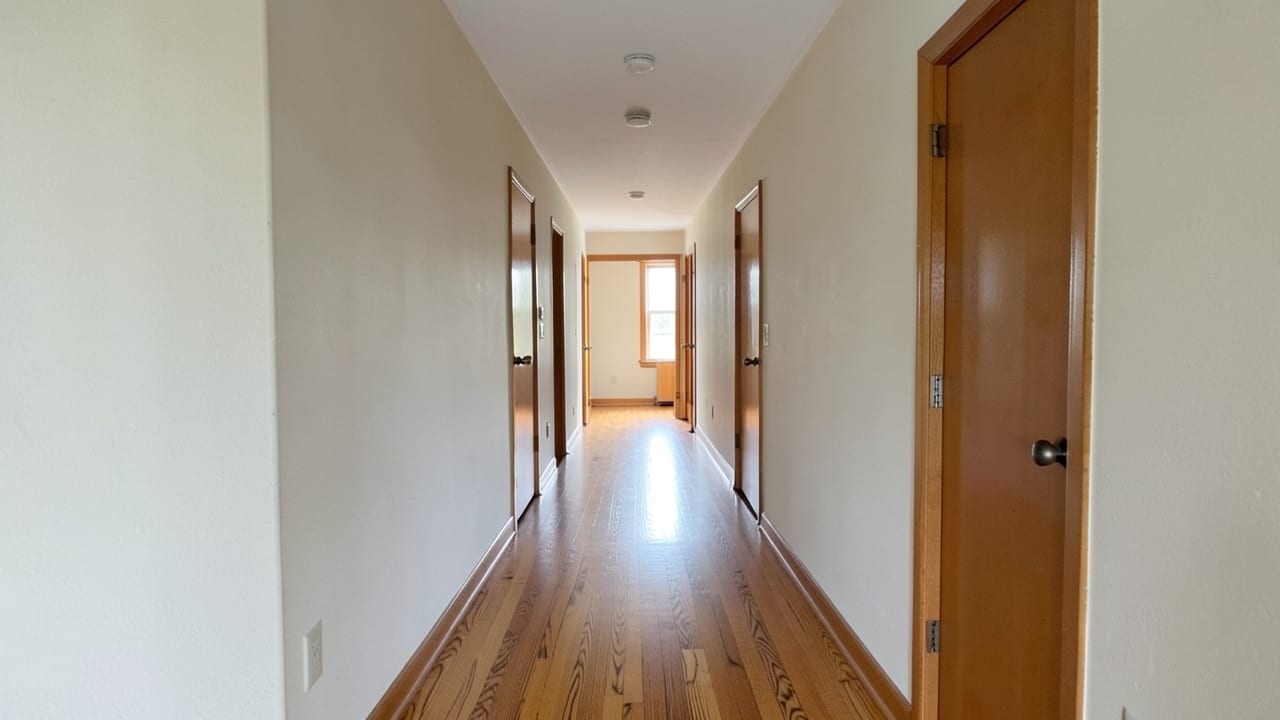
Hallway Mold Remediation in Rocky Valley, PA
Professional removal and treatment of mold growth in residential hallways.
Learn More
HOA Mold Remediation in Rocky Valley, PA
Professional mold removal and remediation for HOA properties to restore safe, healthy living conditions.
Learn More
Restaurant Mold Remediation in Rocky Valley, PA
Professional mold removal and remediation for restaurant spaces to ensure safety and compliance.
Learn More
Retail Store Mold Remediation in Rocky Valley, PA
Professional mold removal and remediation for retail stores to restore safe, clean environments.
Learn MoreCommon Questions About Mold Remediation in Rocky Valley
Everything you need to know about mold remediation services in Rocky Valley
How much does Wood Furniture Mold Remediation typically cost in Rocky Valley, PA?
Why does Rocky Valley, PA's humidity make mold a bigger risk than in drier regions?
Is it safe to stay in the home during mold remediation?
Can small mold problems be handled without hiring anyone?
What's the actual difference between mold removal and mold remediation?
Is a final clearance test part of a typical mold remediation job?
Need Mold Remediation in Rocky Valley?
Connect with local providers in Rocky Valley for a detailed quote.
⏰ We answer your call • Serving all of Rocky Valley and surrounding areas