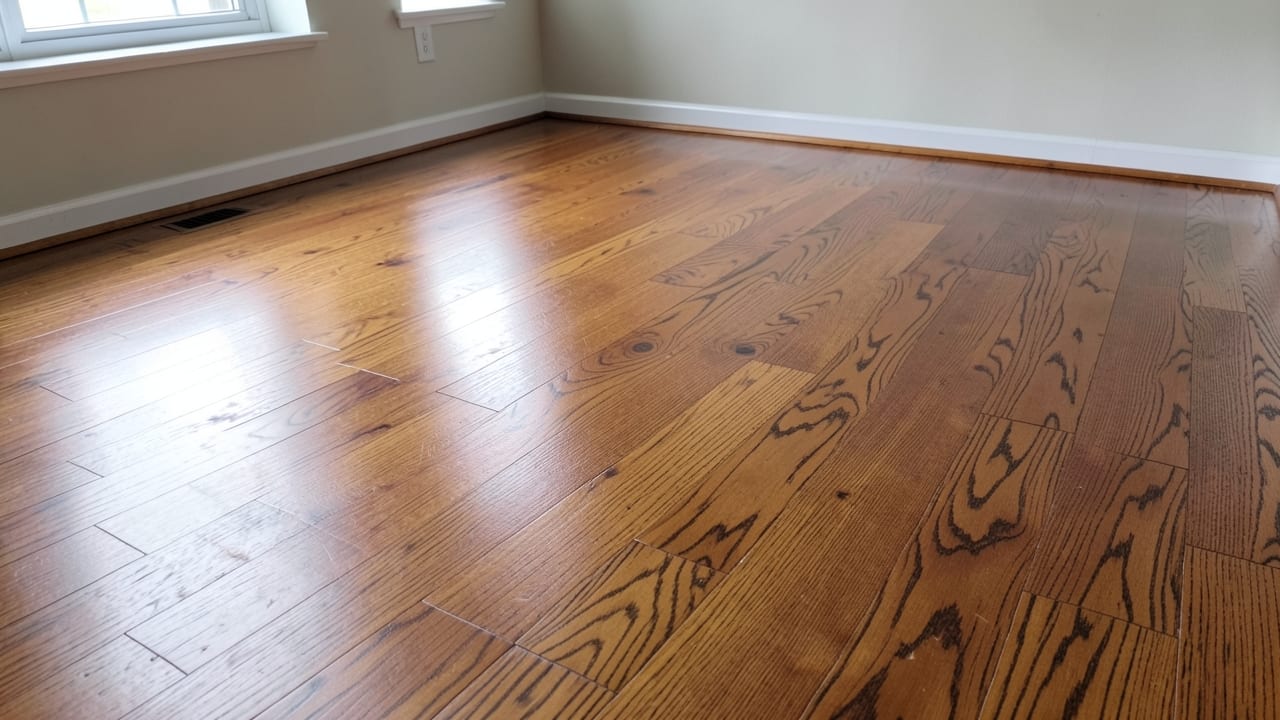
Flood Damage Mold Remediation
Professional mold removal and remediation after flood damage in homes.
Flood damage in Rocky Valley, PA, often leads to hidden mold growth in walls, basements, and under flooring. Proper remediation involves containment, removal of contaminated materials, HEPA filtration, and moisture control to prevent regrowth. Unlike surface cleaning, flood-related mold typically requires professional removal to limit spore spread and ensure safety.
When flood damage mold needs professional remediation
Mold after flooding often hides behind walls, under floors, or inside ductwork, making it difficult to spot. Visible signs like persistent dampness, recurring mold in the same spot, or a musty smell—especially when the HVAC runs—suggest hidden growth.
We also handle Glass Window Mold Removal and Stairwell Mold Remediation for Rocky Valley properties.
If mold covers more than a small patch (typically over 25 square feet), professional remediation is recommended to prevent further spread.
Rooms with poor airflow, like windowless bathrooms or basements, are high-risk areas. If mold keeps returning after cleaning, the moisture source (like a leak or poor grading) likely wasn’t fixed. A professional assesses both the mold and the underlying cause to address the root issue.
Signs Professional Remediation Is Needed
- Mold covers more than 25 square feet in one area (a common threshold for professional work).
- Mold keeps returning after cleaning, even in the same spot.
- A musty smell persists with no visible mold, especially when HVAC runs.
- Hidden moisture sources (like leaks or condensation) are suspected but unconfirmed.
What affects cost and timeline?
Flood damage mold remediation costs depend on the size of the affected area, the type of materials involved (porous vs. non-porous), and whether black mold is confirmed. Containment, HEPA filtration, and clearance testing add to the total cost but are critical for safety.
Jobs with hidden mold or structural damage may take longer due to additional demolition or drying time.
Pricing varies based on square footage and site conditions. For example, black mold cases typically cost 15–25% more than standard remediation. Always confirm whether the quote includes inspection, containment, remediation, and clearance testing—some providers charge extra for these steps.
Common mistakes to avoid
Skipping containment or using non-HEPA equipment can spread spores to unaffected areas, turning a small job into a larger one. Without fixing the moisture source (like a leak or poor drainage), mold will regrow quickly.
Always verify that the crew uses proper containment, HEPA filtration, and independent clearance testing to confirm the work is complete.
Avoid signing contracts without a detailed, written scope of work or paying in full upfront. Pressure to rush the inspection or sign during the same visit is a red flag—legitimate quotes take time to prepare accurately.
Red Flags in a Mold Remediation Quote
- No written, itemized scope of work provided before starting.
- A bid significantly lower than others for the same square footage (may skip critical steps).
- Full payment requested before any work begins.
- No mention of post-remediation clearance testing.
How flood damage mold remediation works
- 1Containment Setup
Plastic sheeting and negative-air machines seal off the work area to prevent spores from spreading during removal. This step is critical for keeping unaffected rooms safe.
- 2Material Removal and Cleaning
Porous materials (like drywall or carpet padding) that absorb mold are cut out and bagged. Non-porous surfaces (like tile or framing) are scrubbed and treated instead of discarded.
- 3HEPA Filtration and Drying
HEPA air scrubbers run continuously to capture spores, and surfaces are vacuumed with HEPA equipment. Industrial dehumidifiers dry framing and subfloors to prevent regrowth.
- 4Clearance Testing
An independent lab tests air or surfaces after remediation to confirm spore levels are back to normal before containment is removed.
Frequently asked questions
How do I know if my mold is from flood damage and needs professional remediation?
Flood damage mold often hides in walls, under floors, or inside ductwork. Signs include persistent dampness, recurring mold in the same spot, or a musty smell that worsens with HVAC use. If mold covers more than 25 square feet or keeps returning, professional remediation is recommended.
Can I clean mold myself after a flood, or should I always hire a professional?
Surface cleaning may work for small, isolated patches, but flood damage often requires removal of contaminated materials and proper containment. Professionals use HEPA filtration and clearance testing to ensure spores don’t spread or return.
What happens if the moisture source isn’t fixed during remediation?
Mold will likely regrow in the same spot if the underlying moisture issue (like a leak or poor drainage) isn’t addressed. A professional assesses both the mold and the cause to prevent future problems.
How long does flood damage mold remediation typically take?
Timelines vary based on the size of the affected area and whether hidden mold or structural damage is involved. Containment, drying, and testing can add days or weeks to the process, especially for larger jobs.
See Dorneyville, PA for more, or explore our full Rocky Valley-area coverage from start to finish for our complete lineup.
Ready to get started?
Talk to a local mold remediation pro in Rocky Valley — get a written quote.
Other Mold Remediation Services in Rocky Valley

Glass Window Mold Removal in Rocky Valley, PA
Professional removal of mold from glass windows and frames to restore clarity and prevent spread.
Learn More
Stairwell Mold Remediation in Rocky Valley, PA
Professional mold removal and prevention in stairwells to restore safe, clean spaces.
Learn More
Balcony Mold Cleanup in Rocky Valley, PA
Professional removal and treatment of mold growth on balconies and adjacent structures.
Learn More
Closet Mold Cleanup in Rocky Valley, PA
Professional cleanup and removal of mold from closets to restore safe, healthy spaces.
Learn More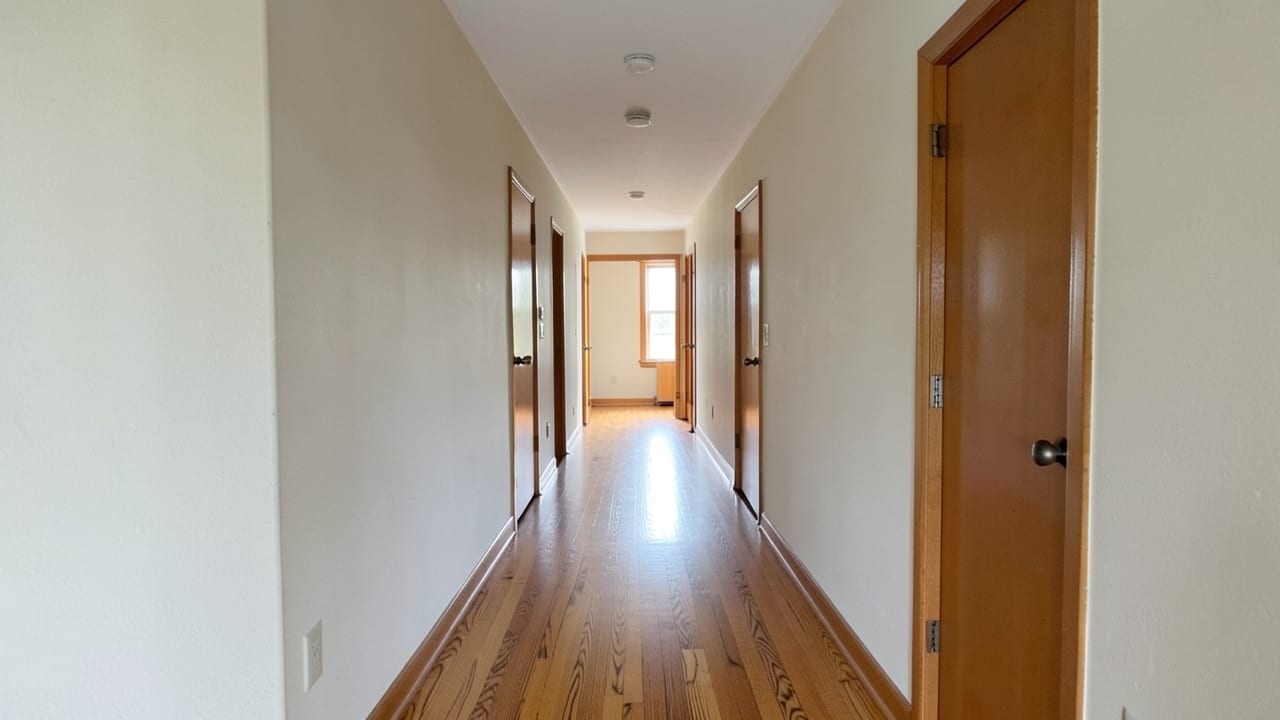
Hallway Mold Remediation in Rocky Valley, PA
Professional removal and treatment of mold growth in residential hallways.
Learn More
HOA Mold Remediation in Rocky Valley, PA
Professional mold removal and remediation for HOA properties to restore safe, healthy living conditions.
Learn MoreCommon Questions About Mold Remediation in Rocky Valley
Everything you need to know about mold remediation services in Rocky Valley
How much does Flood Damage Mold Remediation typically cost in Rocky Valley, PA?
Why does Rocky Valley, PA's humidity make mold a bigger risk than in drier regions?
Is it safe to stay in the home during mold remediation?
Can small mold problems be handled without hiring anyone?
What's the actual difference between mold removal and mold remediation?
Is a final clearance test part of a typical mold remediation job?
Need Mold Remediation in Rocky Valley?
Connect with local providers in Rocky Valley for a detailed quote.
⏰ We answer your call • Serving all of Rocky Valley and surrounding areas