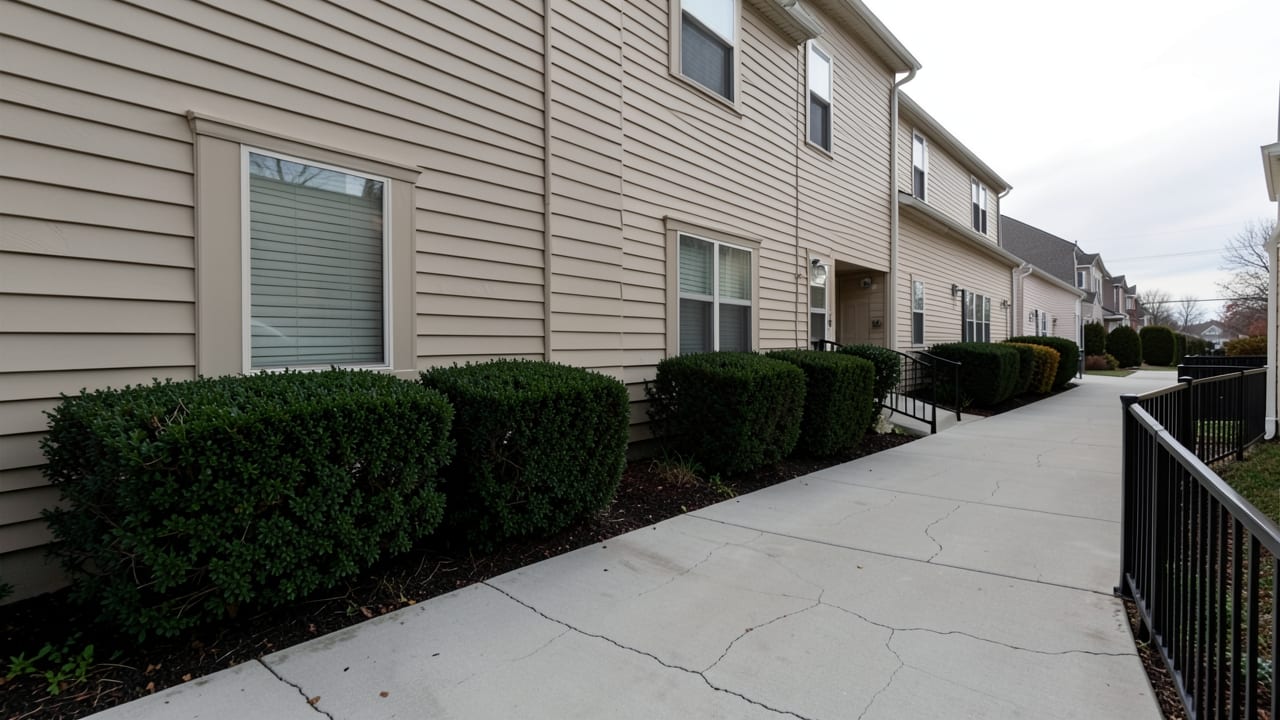
HOA Mold Remediation
Professional mold removal and remediation for HOA properties to restore safe, healthy living conditions.
HOA mold remediation in Rocky Valley, PA addresses mold growth in shared or individual residential spaces, including basements, bathrooms, and HVAC systems. This service involves containment, safe removal of contaminated materials, and thorough cleaning to prevent regrowth.
Proper remediation helps protect your property and health by eliminating hidden spores and fixing moisture sources.
We also handle Mold Testing & Air Quality Testing and Mold Removal & Remediation for Rocky Valley properties.
When to consider mold remediation
Mold growth beyond a small, isolated patch often signals a need for professional remediation. If mold covers more than a few square feet, keeps returning after cleaning, or you notice a persistent musty smell without visible growth, it’s time to act.
These signs suggest hidden moisture problems or extensive contamination that requires proper containment and removal methods.
Hidden mold—such as behind walls, under flooring, or inside HVAC ducts—can spread spores throughout your home. A musty odor that worsens when the heating or cooling system runs is a common indicator of ductwork contamination. Addressing these issues early helps prevent larger, costlier problems down the line.
Signs You Need Mold Remediation
- Mold covers more than a few square feet (typically over 25 contiguous square feet).
- Mold keeps returning in the same spot after cleaning.
- You notice a musty smell with no visible mold in the room.
- The smell gets stronger when the HVAC system is running (possible ductwork contamination).
- You see visible mold in basements, bathrooms, or behind walls.
What affects mold remediation costs and timing
The size and location of the mold growth, as well as the materials affected, influence the scope of work. Porous materials like drywall and insulation are often removed, while non-porous surfaces like tile or framing are cleaned and treated.
Containment, HEPA filtration, and clearance testing add to the time and cost but are essential for effective remediation.
The presence of hidden moisture sources—such as leaks, poor ventilation, or grading issues—can extend the project. Fixing these underlying problems is critical to preventing regrowth. Additionally, the need for structural drying or repairs may impact both cost and timeline.
Why containment and testing matter
Containment prevents mold spores from spreading to unaffected areas during removal. Plastic sheeting and negative-air machines seal the work zone, while HEPA air scrubbers capture spores that would otherwise circulate. Skipping these steps risks contaminating clean spaces, turning a small job into a much larger one.
Clearance testing by an independent third party confirms that spore levels return to normal after remediation. This step ensures the work was effective and helps avoid recurring issues. Without testing, there’s no way to verify whether hidden mold remains.
A tear in plastic sheeting, an open door, or improper negative-air pressure can let spores escape containment. Always ensure the work area is fully sealed and monitored to prevent cross-contamination.
How HOA mold remediation works
Professional remediation follows a structured process to safely remove mold and prevent recurrence.
- 1Containment Setup
The affected area is sealed with plastic sheeting, and negative-air machines create a pressure differential to keep spores inside the work zone. This prevents spread to other parts of the home.
- 2Material Removal or Cleaning
Porous materials like drywall and insulation are cut out and bagged, while non-porous surfaces are scrubbed and treated. HEPA vacuums and air scrubbers run continuously to capture airborne spores.
- 3Structural Drying
Industrial dehumidifiers and air movers dry framing and subfloors to normal moisture levels. Mold regrows on damp materials, so thorough drying is critical to long-term results.
- 4Clearance Testing
An independent lab tests air or surface samples to confirm spore counts are back to normal. This step ensures the remediation was effective and no hidden mold remains.
Frequently asked questions
How do I know if my mold problem is too big for DIY cleaning?
If mold covers more than a few square feet, keeps returning after cleaning, or you notice a musty smell with no visible growth, it’s best to call a professional. Hidden moisture sources or extensive contamination often require containment and specialized equipment.
Will mold remediation fix the moisture problem causing the growth?
Remediation removes existing mold, but fixing the moisture source—such as leaks, poor ventilation, or grading issues—is essential to prevent regrowth. Always ask if the remediation includes addressing the underlying cause.
Why is containment important during mold removal?
Containment prevents spores from spreading to clean areas during removal. Without it, disturbed mold can circulate through the home, turning a small job into a much larger contamination issue.
How long does the remediation process typically take?
The timeline depends on the size of the affected area, the materials involved, and whether hidden moisture sources need fixing. Containment, drying, and testing can add days or weeks to the process, especially for larger or complex cases.
See Red Hill, PA for more, or browse every option available in Rocky Valley by category for our complete lineup.
Ready to get started?
Talk to a local mold remediation pro in Rocky Valley — get a written quote.
Other Mold Remediation Services in Rocky Valley
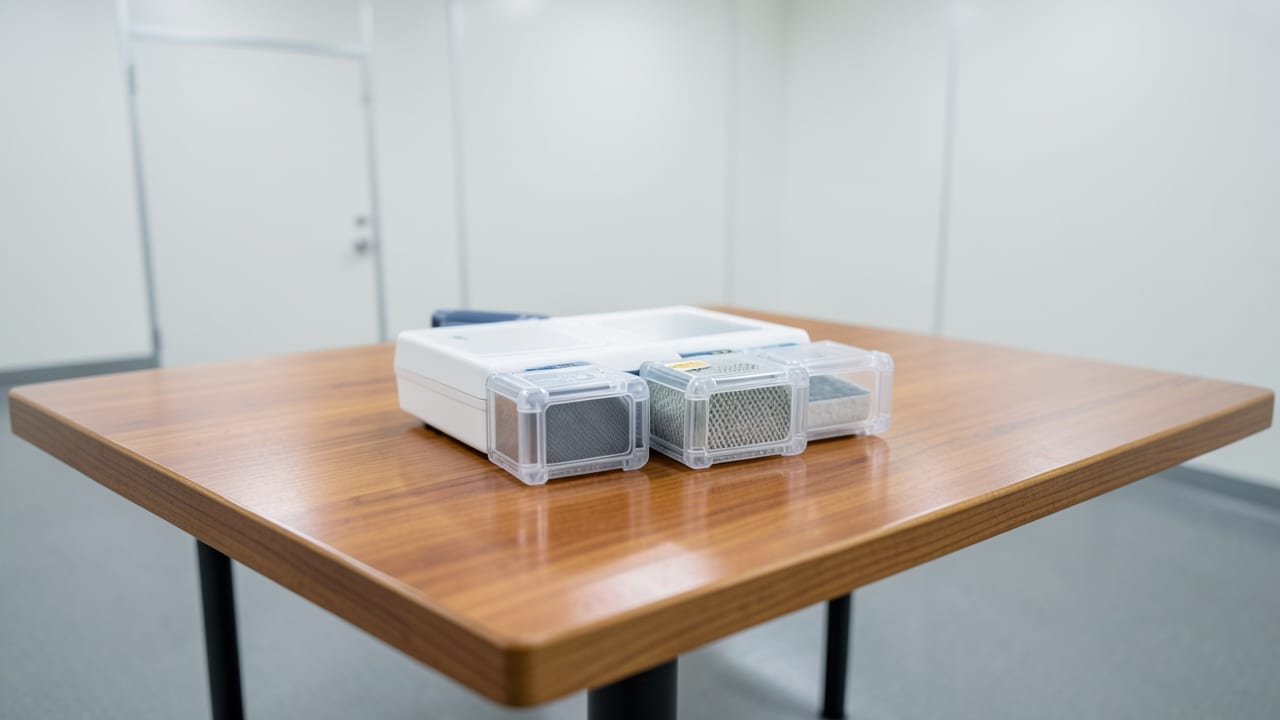
Mold Testing & Air Quality Testing in Rocky Valley, PA
Mold and indoor air quality testing in Rocky Valley, PA — lab-analyzed air and surface samples confirm what's actually growing and whether it's airborne.
Learn More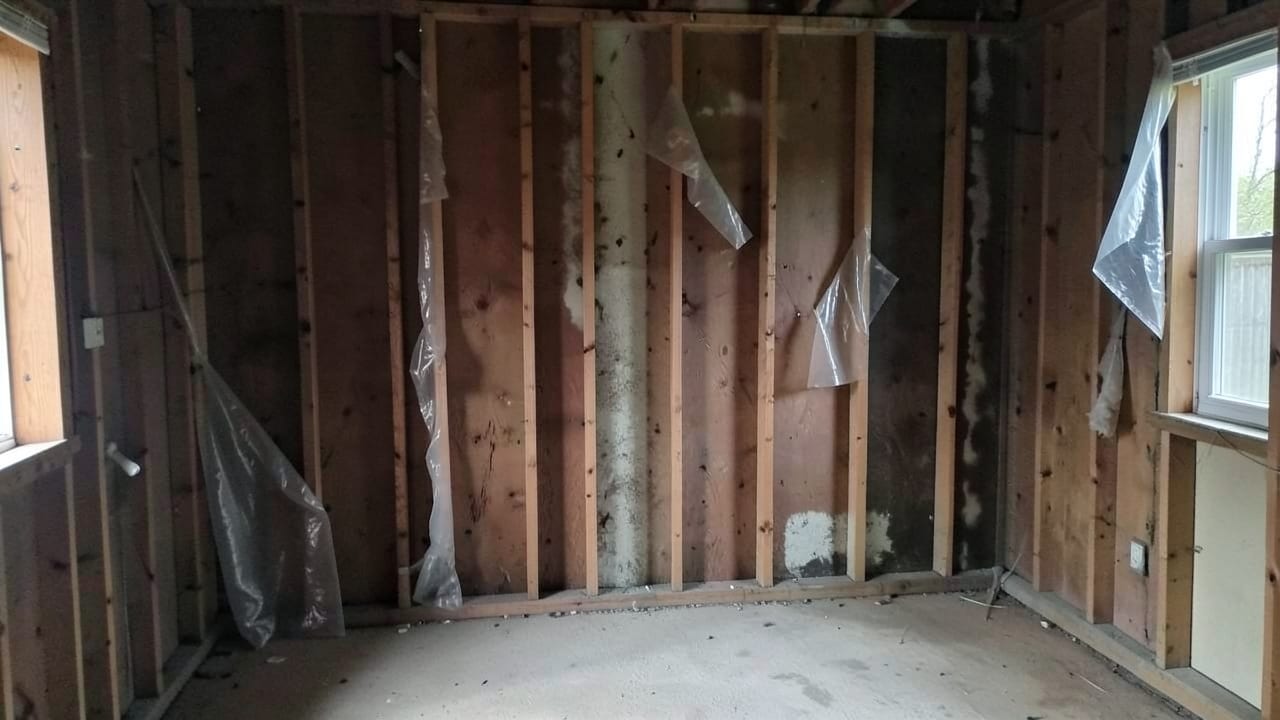
Mold Removal & Remediation in Rocky Valley, PA
Mold removal and remediation in Rocky Valley, PA — containment, HEPA filtration, and removal of affected material following industry (IICRC S520) protocol.
Learn More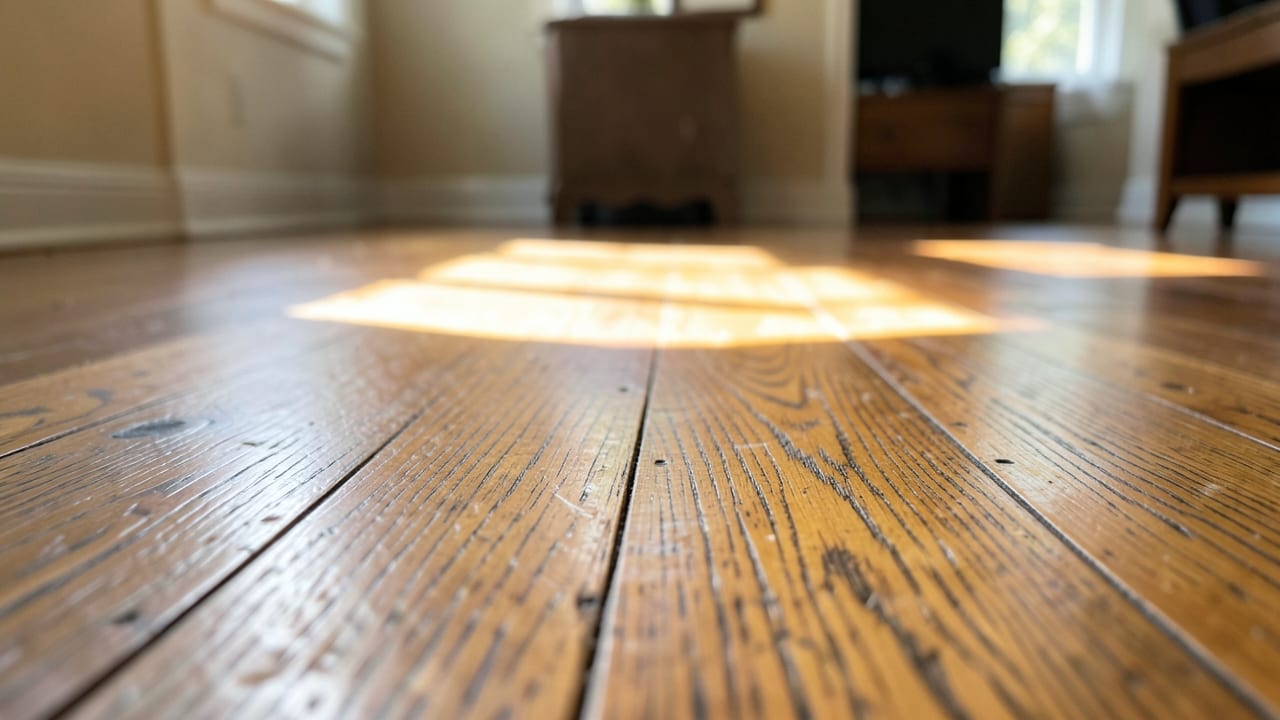
Water Damage Restoration in Rocky Valley, PA
Water damage restoration in Rocky Valley, PA — extraction and structural drying to stop mold growth before it starts, following a leak, storm, or flood.
Learn More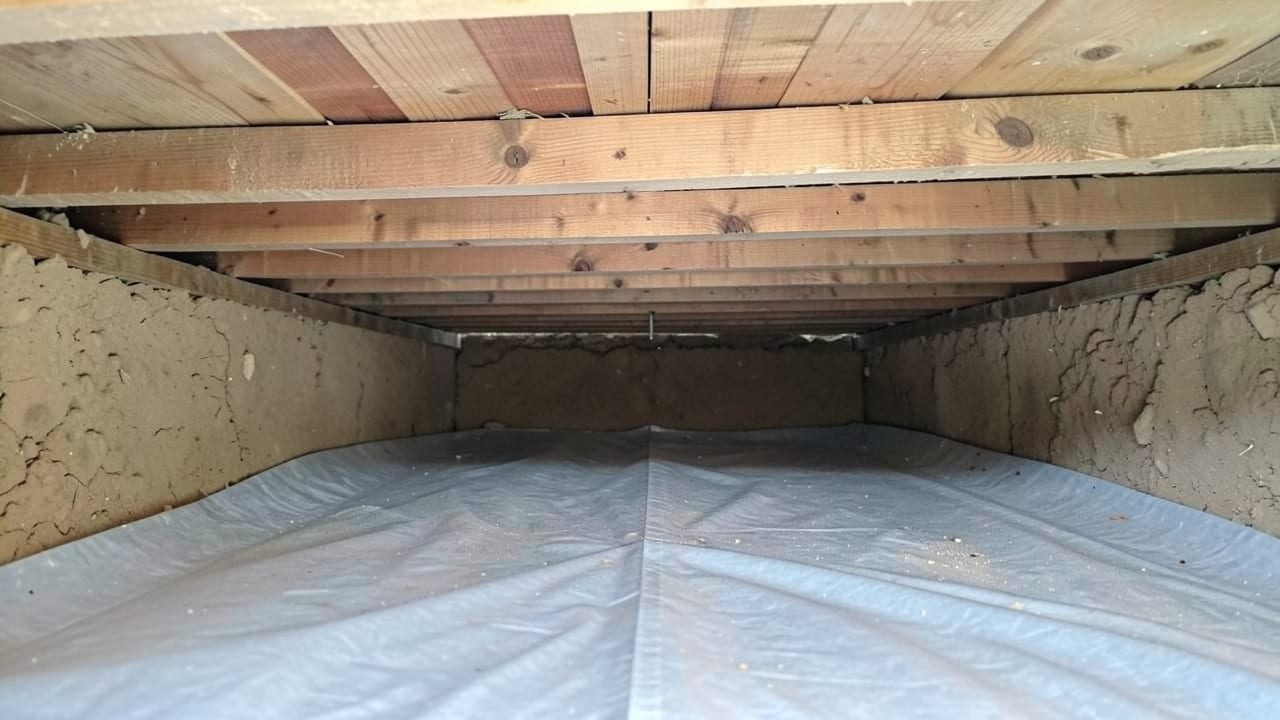
Crawl Space & Basement Mold Remediation in Rocky Valley, PA
Crawl space and basement mold remediation in Rocky Valley, PA addresses the two areas of a property most prone to trapped, unnoticed moisture.
Learn More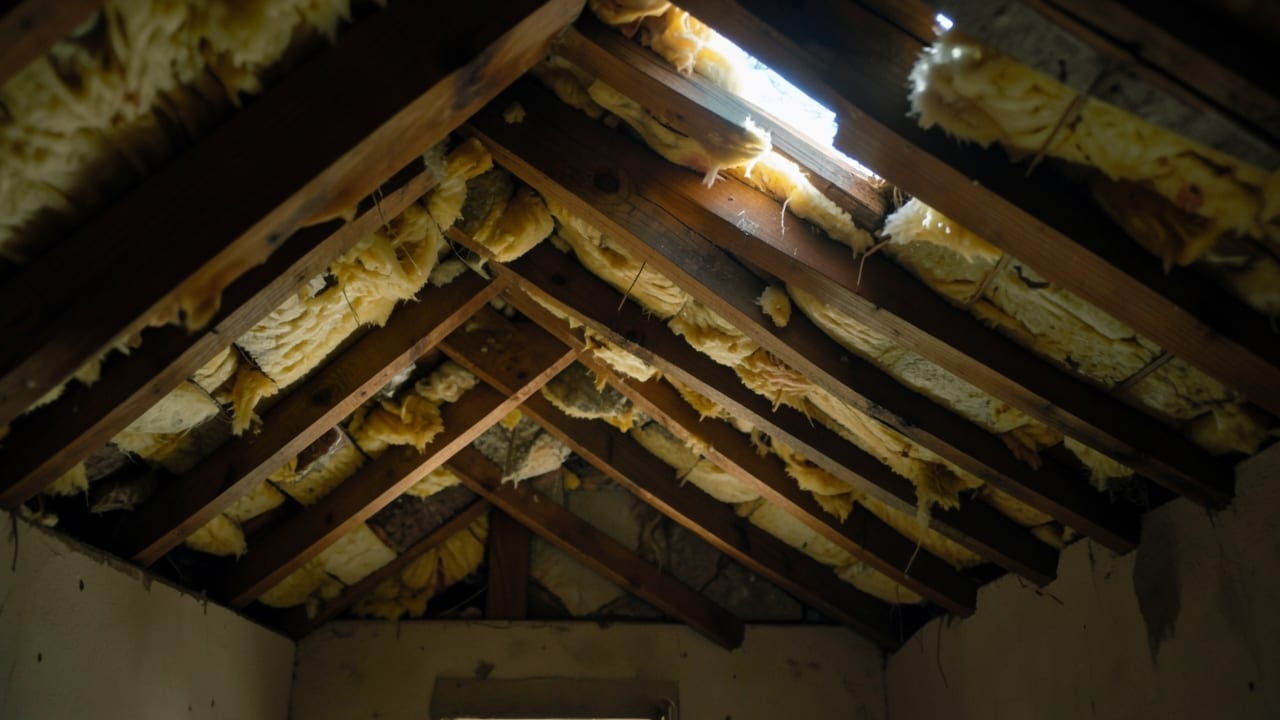
Attic Mold Remediation in Rocky Valley, PA
Attic mold remediation in Rocky Valley, PA addresses roof-deck growth typically caused by poor ventilation or a hidden roof leak.
Learn More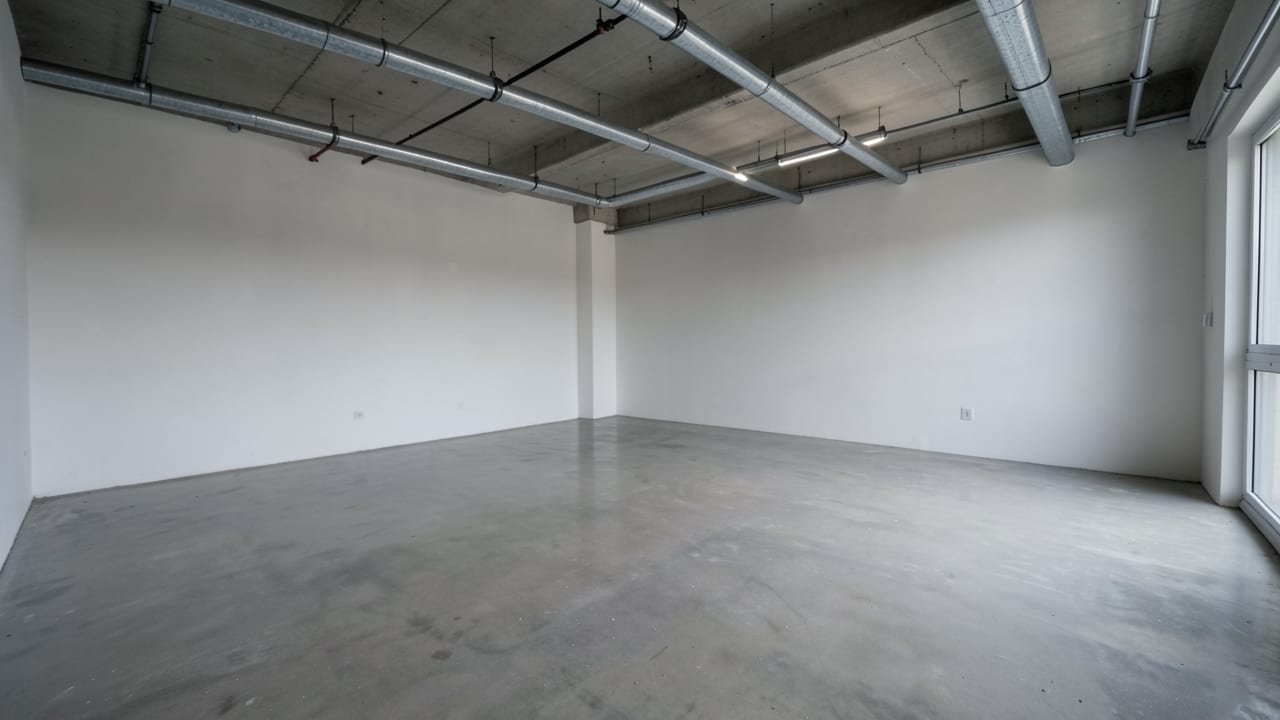
Commercial Mold Remediation in Rocky Valley, PA
Commercial mold inspection and remediation in Rocky Valley, PA for offices, retail space, and multi-unit properties, scheduled around business operations.
Learn MoreCommon Questions About Mold Remediation in Rocky Valley
Everything you need to know about mold remediation services in Rocky Valley
How much does HOA Mold Remediation typically cost in Rocky Valley, PA?
Why does Rocky Valley, PA's humidity make mold a bigger risk than in drier regions?
Is black mold actually more dangerous than other mold types?
How long does a typical mold remediation job take?
Is it safe to stay in the home during mold remediation?
Can small mold problems be handled without hiring anyone?
Need Mold Remediation in Rocky Valley?
Connect with local providers in Rocky Valley for a detailed quote.
⏰ We answer your call • Serving all of Rocky Valley and surrounding areas