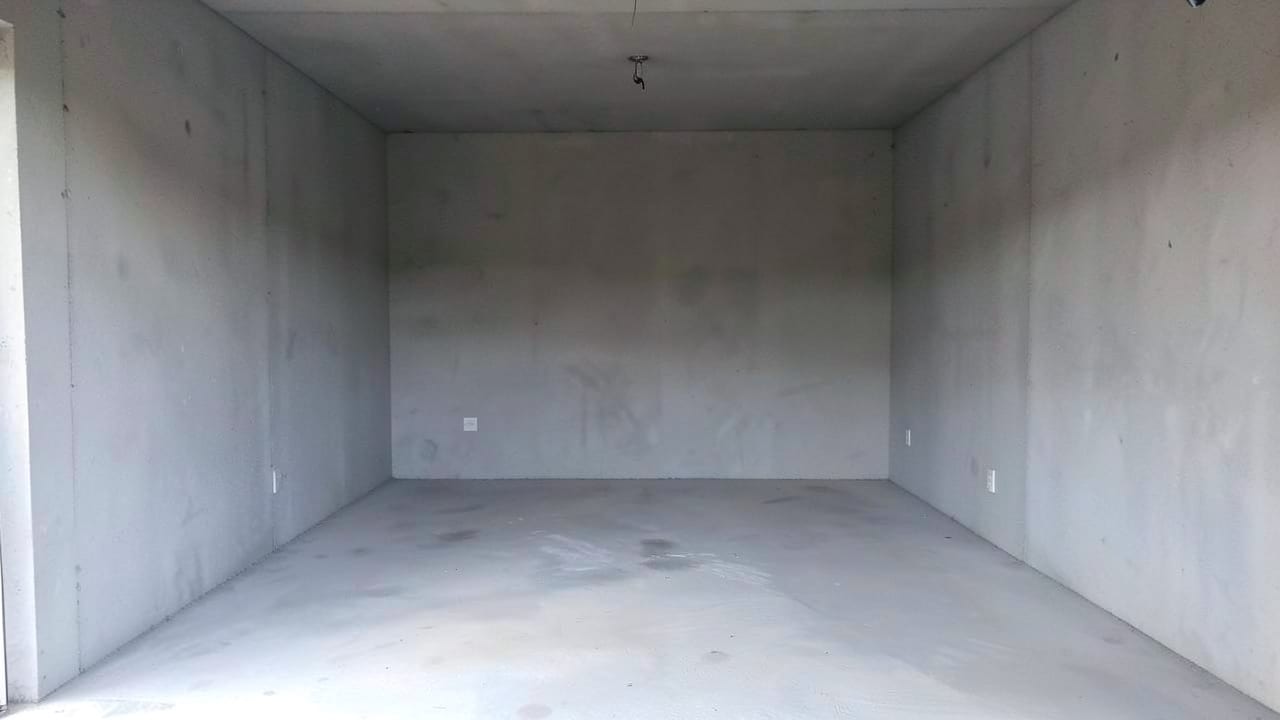
Garage Mold Removal
Professional assessment and removal of mold growth in garages to restore a safe, clean space.
Garage mold removal in Rocky Valley, PA targets damp, poorly ventilated spaces where mold colonies thrive. Professional remediation includes containment, safe material removal, HEPA filtration, structural drying, and clearance testing to prevent regrowth and cross-contamination. Addressing moisture sources is critical to long-term results.
When to call for garage mold removal
Mold in a garage often starts small but can spread quickly if left unchecked. Visible signs include discolored patches larger than a few square feet, persistent musty odors, or mold returning after cleaning.
We also handle Crawl Space & Basement Mold Remediation and Attic Mold Remediation for Rocky Valley properties.
Hidden growth—behind walls, under flooring, or inside ductwork—may only reveal itself through a lingering smell or recurring spores.
Garages are especially vulnerable due to poor airflow, leaks, or condensation. Without proper containment and HEPA filtration, spores can spread to living spaces, making professional remediation essential for thorough removal and prevention.
Signs Your Garage Mold Needs Professional Removal
- Mold covers more than a small, isolated patch (typically over 25 sq. ft. of contiguous growth).
- The musty smell worsens when the HVAC system runs, suggesting ductwork contamination.
- Mold keeps returning in the same spot after cleaning, indicating an unresolved moisture source.
- You notice discoloration or dampness on framing, subflooring, or structural materials—these require removal, not just surface cleaning.
What affects cost and timeline?
The scope of garage mold removal depends on the size of the affected area, the type of mold, and whether hidden growth exists behind walls or under flooring. Surface-level mold on drywall or tile typically costs less than deep-seated contamination requiring material removal and structural drying.
Pricing also varies based on whether containment, HEPA air scrubbing, and clearance testing are included. A full remediation job—including fixing moisture sources—helps prevent recurrence, but costs depend on the specifics of the job.
Post-remediation: what to expect
After remediation, the work area undergoes clearance testing to confirm spore levels are back to normal. However, the biggest factor in preventing regrowth is addressing the moisture source—whether a leak, poor ventilation, or grading issues.
Even after professional removal, monitoring humidity and airflow in the garage helps catch early signs of recurrence.
Industrial dehumidifiers and small fans may be recommended for persistently damp areas to maintain dry conditions. Without fixing the underlying cause, mold can return within months, making prevention just as critical as removal.
Skipping HEPA filtration or containment during removal can spread spores to unaffected areas, turning a contained job into a larger, costlier problem.
How garage mold removal works
- 1Containment Setup
Plastic sheeting and negative-air machines seal the garage to prevent spores from spreading during removal. This keeps contaminated air contained while work proceeds.
- 2Material Removal and Cleaning
Porous materials like drywall or insulation—absorbed with mold—are cut out and bagged. Non-porous surfaces (framing, tile) are scrubbed and treated instead of discarded.
- 3HEPA Filtration and Structural Drying
HEPA air scrubbers run continuously, and surfaces are vacuumed with HEPA equipment to capture spores. Industrial dehumidifiers dry framing and subflooring to prevent regrowth.
- 4Clearance Testing
An independent lab tests air or surfaces post-remediation to confirm spore levels are within normal ranges before the garage is released for use.
Frequently asked questions
Can I clean garage mold myself if it’s a small patch?
Small, isolated patches (under 25 sq. ft.) can sometimes be cleaned with detergent and water, but only if the moisture source is fixed. Larger growth, hidden mold, or recurring spores require professional containment and HEPA filtration to avoid spreading.
How long does garage mold remediation typically take?
Surface-level mold removal may take a few hours to a day, while deep-seated contamination—requiring material removal, drying, and testing—can take 2–5 days. The timeline depends on the scope and whether hidden growth is found.
Will my insurance cover garage mold removal?
Coverage depends on your policy and whether the mold resulted from a covered event (e.g., water damage). Check with your insurer first, as some policies exclude pre-existing mold or require specific documentation.
Do I need to leave the house during remediation?
Not always, but containment keeps spores from spreading. If you’re uncomfortable with the process, it’s safer to stay elsewhere until clearance testing confirms the area is clear.
See Springtown, PA for more, or explore the rest of our Rocky Valley lineup by category for our complete lineup.
Ready to get started?
Talk to a local mold remediation pro in Rocky Valley — get a written quote.
Other Mold Remediation Services in Rocky Valley
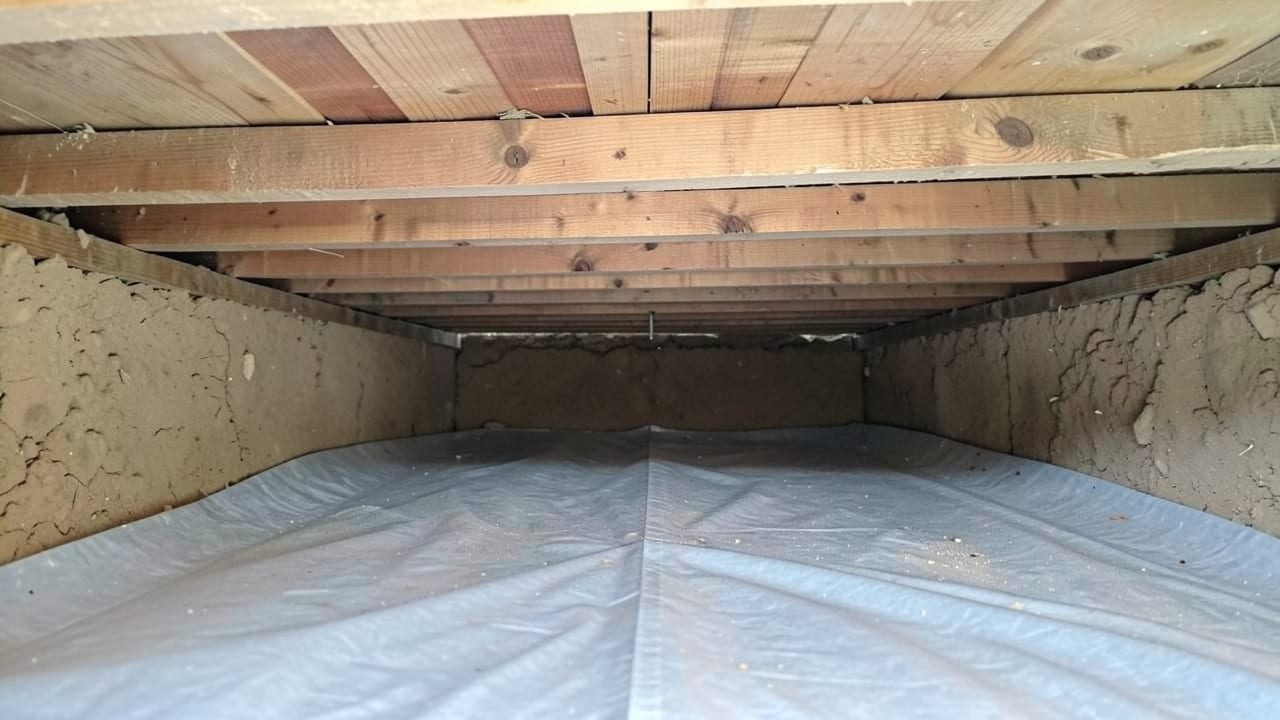
Crawl Space & Basement Mold Remediation in Rocky Valley, PA
Crawl space and basement mold remediation in Rocky Valley, PA addresses the two areas of a property most prone to trapped, unnoticed moisture.
Learn More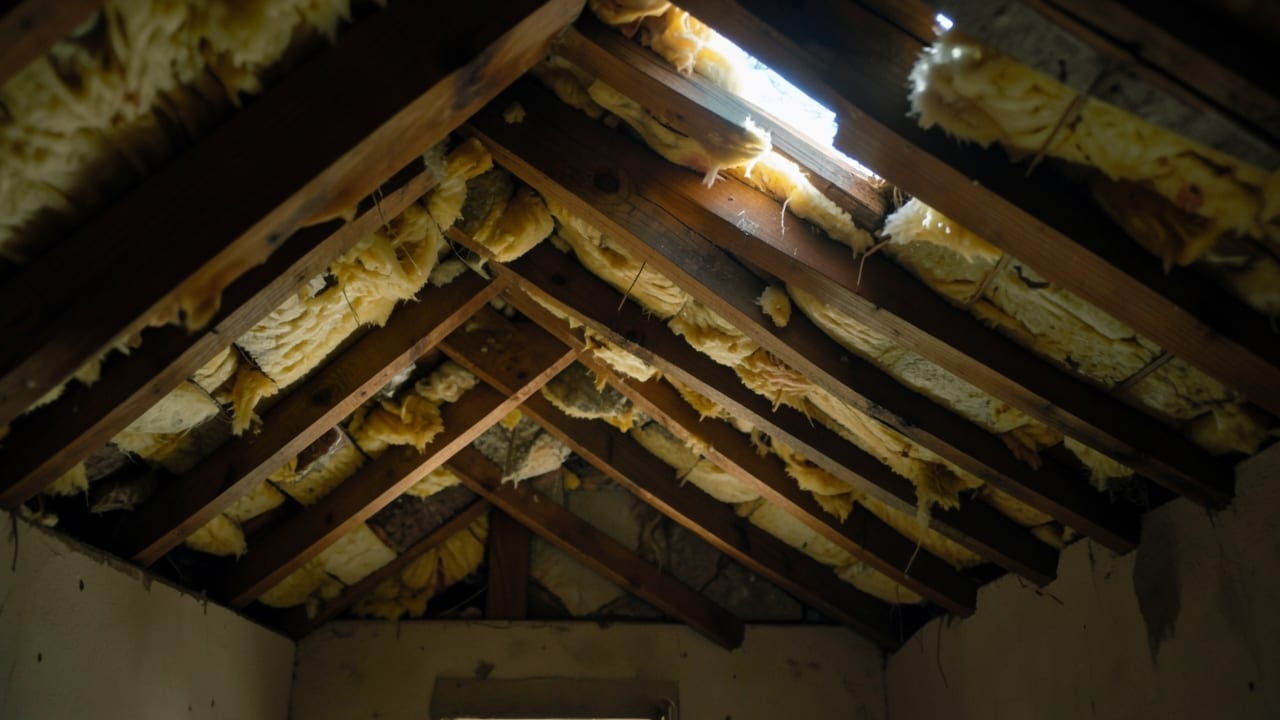
Attic Mold Remediation in Rocky Valley, PA
Attic mold remediation in Rocky Valley, PA addresses roof-deck growth typically caused by poor ventilation or a hidden roof leak.
Learn More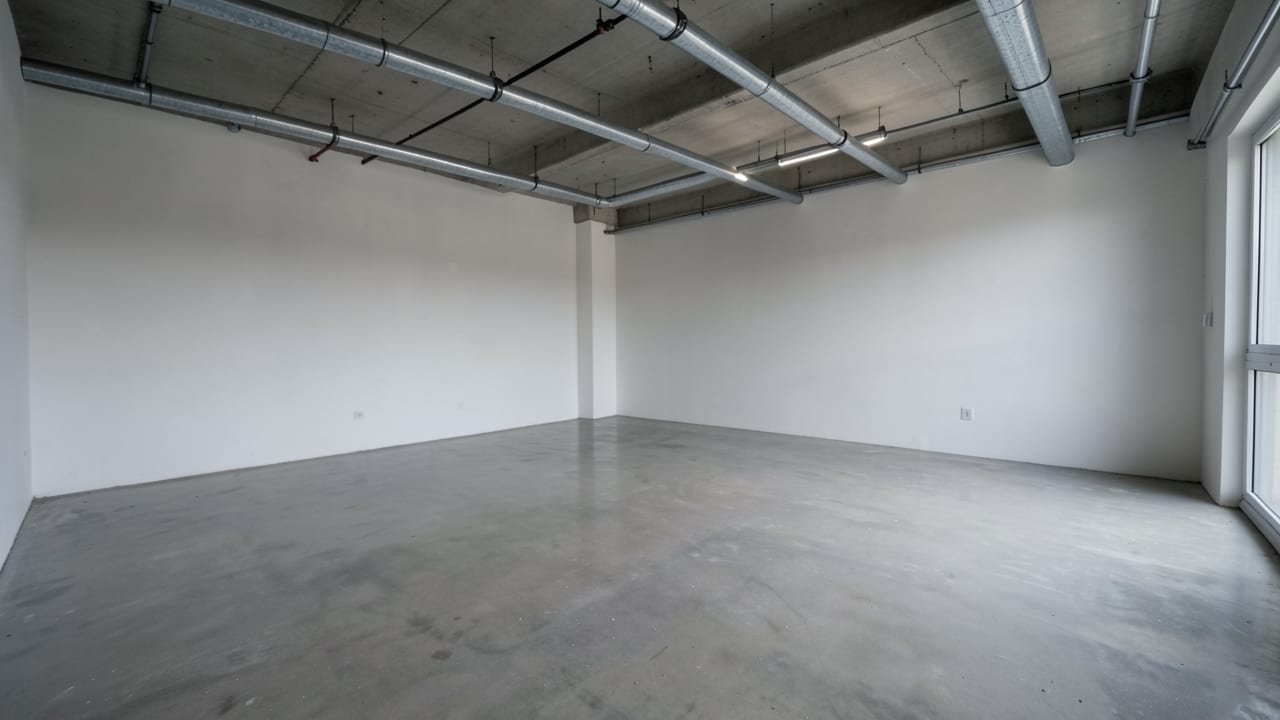
Commercial Mold Remediation in Rocky Valley, PA
Commercial mold inspection and remediation in Rocky Valley, PA for offices, retail space, and multi-unit properties, scheduled around business operations.
Learn More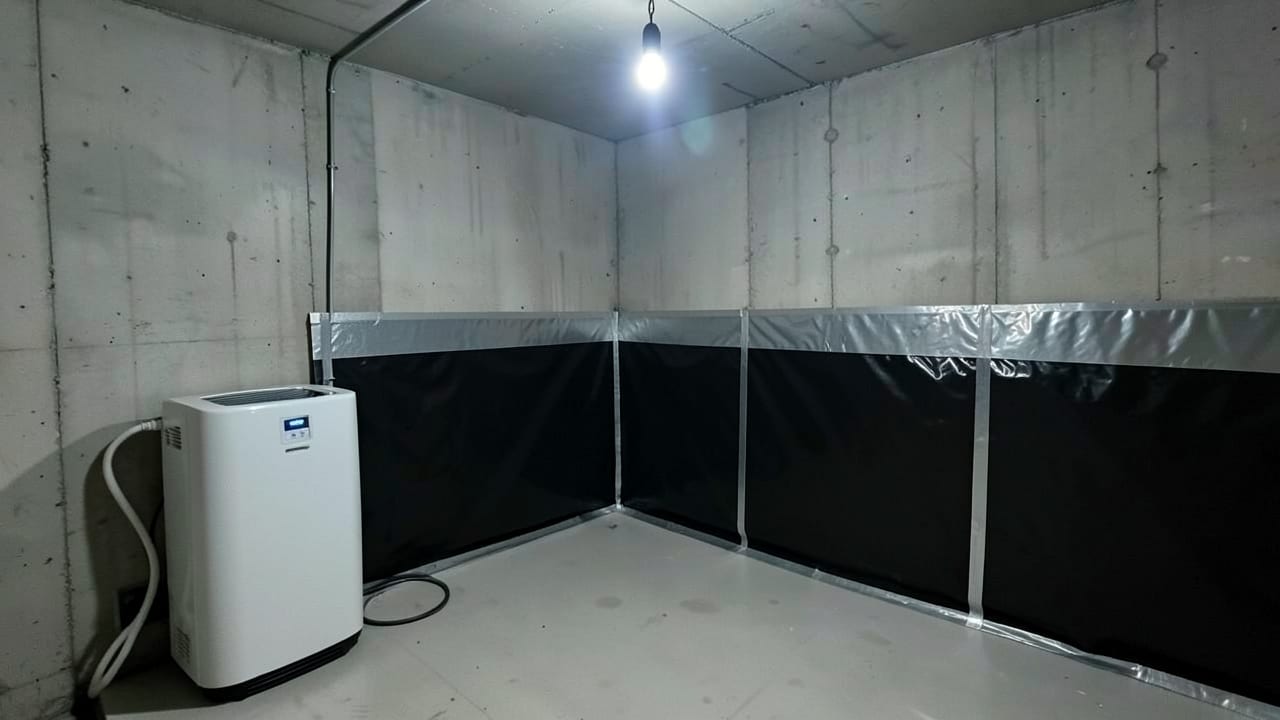
Mold Prevention & Moisture Control in Rocky Valley, PA
Mold prevention and moisture control in Rocky Valley, PA — addressing ventilation, humidity, and drainage before growth starts, not after.
Learn More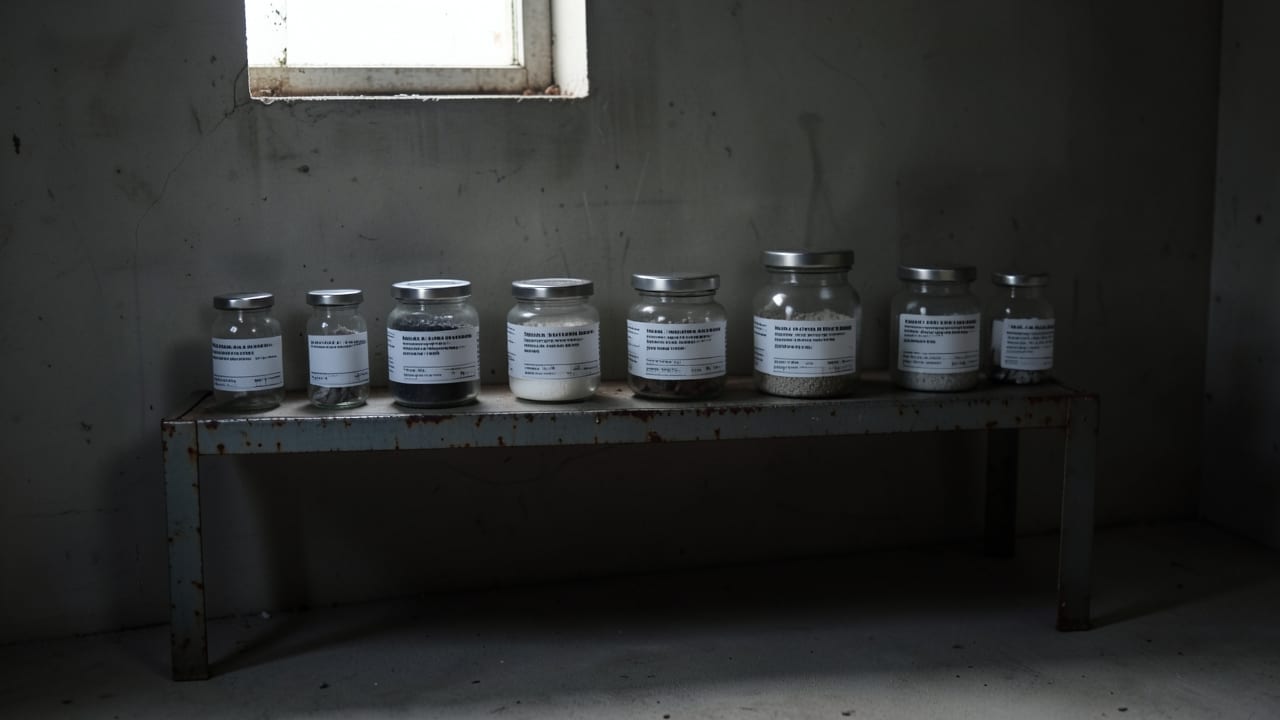
Mold & Asbestos Testing in Rocky Valley, PA
Combined mold and asbestos testing in Rocky Valley, PA — one inspection visit, lab-verified results for both.
Learn More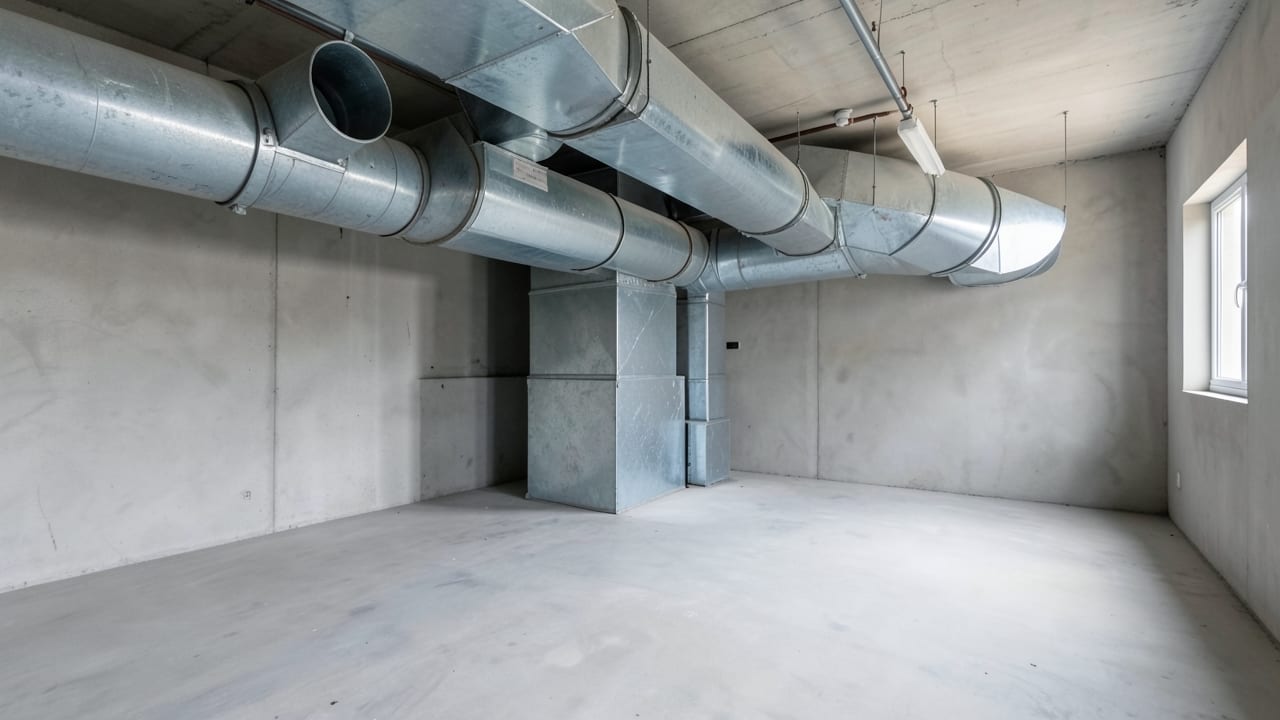
HVAC Mold Remediation in Rocky Valley, PA
HVAC and ductwork mold remediation in Rocky Valley, PA — mold growing inside the air handler or duct system, spreading through every vent.
Learn MoreCommon Questions About Mold Remediation in Rocky Valley
Everything you need to know about mold remediation services in Rocky Valley
How much does Garage Mold Removal typically cost in Rocky Valley, PA?
Why does Rocky Valley, PA's humidity make mold a bigger risk than in drier regions?
Does mold mean the same thing as mildew?
Does homeowners insurance typically cover mold remediation?
Is black mold actually more dangerous than other mold types?
How long does a typical mold remediation job take?
Need Mold Remediation in Rocky Valley?
Connect with local providers in Rocky Valley for a detailed quote.
⏰ We answer your call • Serving all of Rocky Valley and surrounding areas